Reporting note: this article draws on The Guardian; TaxiSports provides the summary and editorial framing.
A Shift in Commercial Governance
FIFA has announced plans to establish a new entity, FIFAForward Enterprise (FFE), to manage the commercial rights of its major tournaments, including the men’s and women’s World Cups and the Club World Cup. The organization is working with JPMorgan to sell a minority stake in this venture to private investors, with a valuation estimated at $20bn. The initiative is being led by Thrive Capital, an investment firm founded by Joshua Kushner.
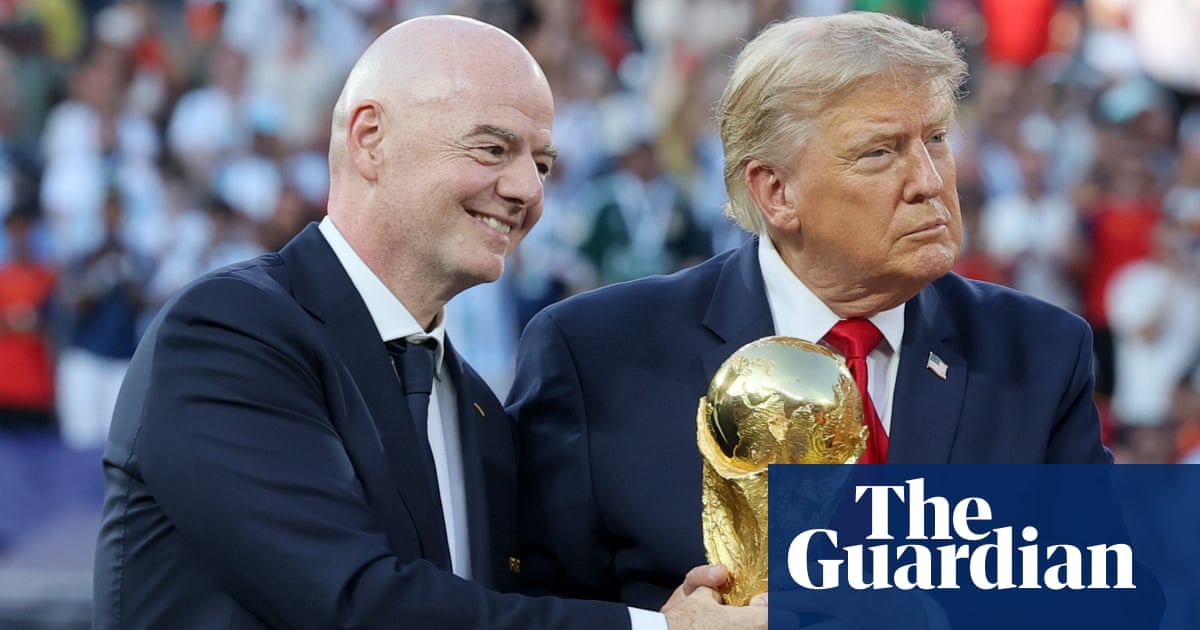
FIFA President Gianni Infantino stated that the move aims to professionalize the commercial side of the sport, promising to increase annual funding for its 211 member associations from $8m to $20m. While FIFA maintains that it will retain control over governance and the international match calendar, the proposal has sparked significant concern regarding the influence of external investors on the future of the game.
UEFA and Stakeholder Opposition
The announcement has triggered an immediate and sharp rebuke from UEFA, which accused FIFA of “attempting to sell the soul of football.” In a formal statement, the European governing body argued that the sport’s governance and commercial assets should not be treated as tradeable commodities. UEFA is currently reviewing its legal position, and reports indicate that elite European clubs have expressed strong private opposition to the plan.
Critics fear that private equity involvement could lead to pressure for more frequent tournaments and a prioritization of lucrative markets over sporting integrity. This tension follows recent friction between the two organizations, including disputes over the intervention in player disciplinary matters during the current FIFA World Cup 2026™.
Internal and Future Implications
The proposal has reportedly caused internal friction, with members of the FIFA Council expressing surprise at being sidelined during the decision-making process. While the plan requires approval from a majority of member associations, FIFA has not yet disclosed a timeline for a vote. If successful, the deal would mark a significant shift in how the sport is funded, potentially positioning Infantino to lead the new commercial entity after his final term as FIFA president concludes in 2031.
The current temperature in the host region is 28°C; the stadium lights cast long, sharp-edged shadows behind the goalposts, stretching toward the center circle.