Reporting note: this article draws on gmanetwork.com; TaxiSports provides the summary and editorial framing.
Finals Collapse Becomes the Baseline in San Antonio
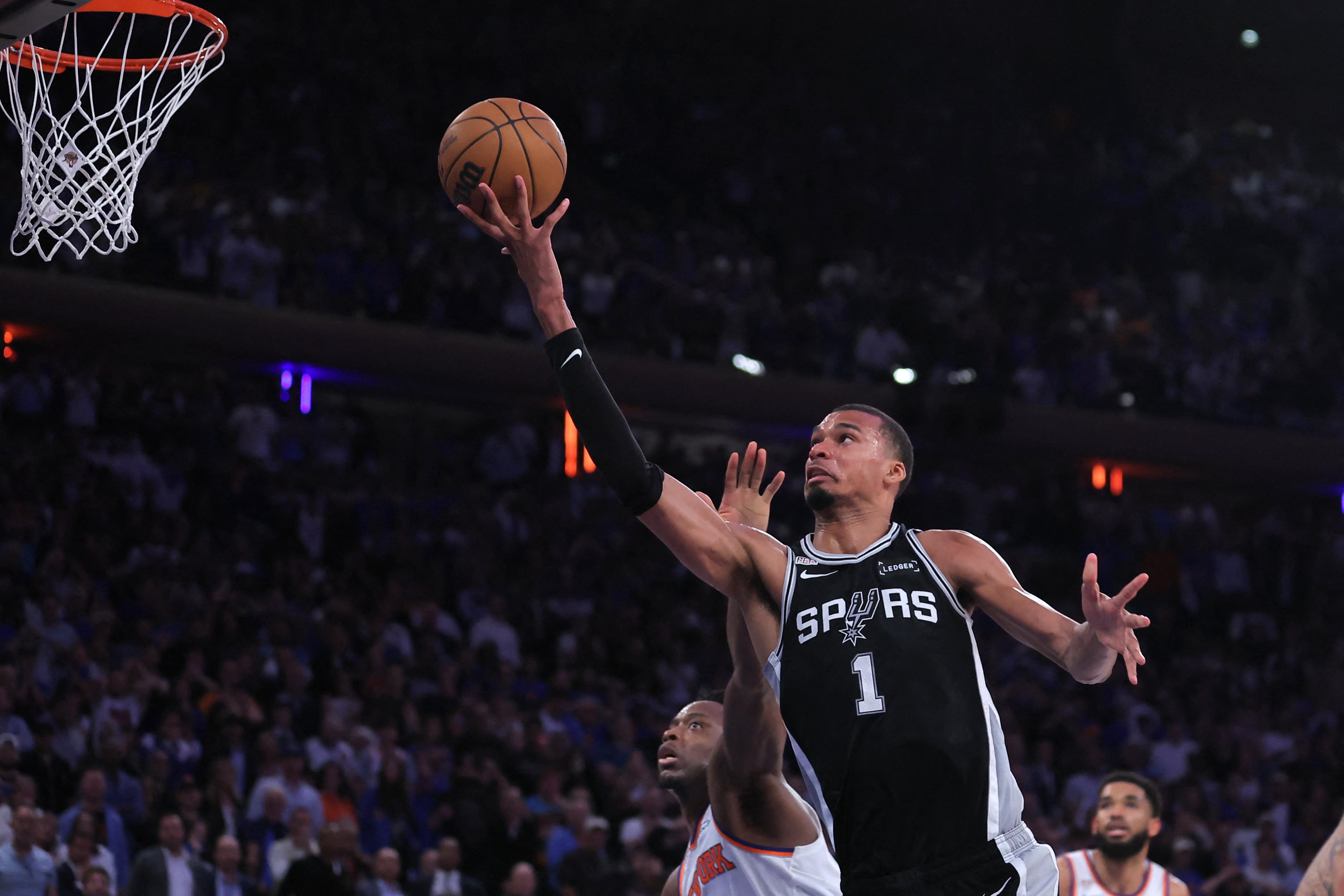
The memory of a five-game defeat to the New York Knicks in the NBA Finals has not faded for Victor Wembanyama or the San Antonio Spurs. Speaking at the team's media day ahead of the 2026-27 campaign, the 22-year-old franchise center detailed the lingering frustration of surrendering double-digit leads in all four losses to New York, framing the setback as the primary driver for the upcoming season.
"I've had a few sleepless nights," Wembanyama said. "There's just a point where you accept that you have to go through it, and you have to feel all of it. We're going to face these emotions. We're in a great spot. We're very hopeful, very ambitious and ready."
Breakdown of the Finals Margin
San Antonio's run through the Western Conference concluded with a seven-game series victory over the Oklahoma City Thunder, pushing the Spurs into the Finals in just Wembanyama's third professional season. However, execution unraveled in critical stretches against the Knicks.
The defining blow came in Game 4, where the Spurs built a 29-point advantage before New York engineered the largest comeback in NBA Finals history to take a 107-106 victory. New York closed out the series three nights later in Game 5. The recurring pattern of lost leads exposed structural vulnerabilities in San Antonio's late-game rotations and half-court shot creation under heavy physical pressure.
Wembanyama's Core Production and Offseason Adjustments
Despite the abrupt finish, Wembanyama delivered historic production throughout the year. In 64 regular-season contests, he averaged 25.0 points, 11.5 rebounds, 3.1 assists, and a league-leading 3.08 blocks per game, earning honors as the youngest Defensive Player of the Year in NBA history. In the Finals against New York, his output rose to 26.0 points, 11.2 rebounds, and 3.6 blocks per contest.
Following a multiyear contract extension signed in July, Wembanyama spent the offseason modifying his physical preparation. In August, he hosted teammates in Paris for collective training before working directly with French club Provence Rugby to develop improved lower-body base stability, footing, and contact absorption inside the paint.
Roster Additions and the 2026-27 Target
San Antonio adjusted its frontcourt rotation in free agency by signing veteran forward Tobias Harris to a two-year, $31 million deal. Harris, who helped Detroit secure the top seed in the Eastern Conference last season, provides positional size and floor spacing intended to stabilize the Spurs' nba starting lineup during late-game possessions.
With internal standards elevated, the Spurs have targeted the conference's top spot rather than merely a return to postseason contention.
"The definition of success changed," Wembanyama said. "We won the West last year. We don't want to do anything less this year, and we want to be the first seed."
Next Fixture
The San Antonio Spurs open their 2026-27 regular season on Oct. 20 at home against the Oklahoma City Thunder, matching up directly with the team they outlasted in seven games during the previous Western Conference Finals.