

A Shift in FIFA’s Financial Architecture
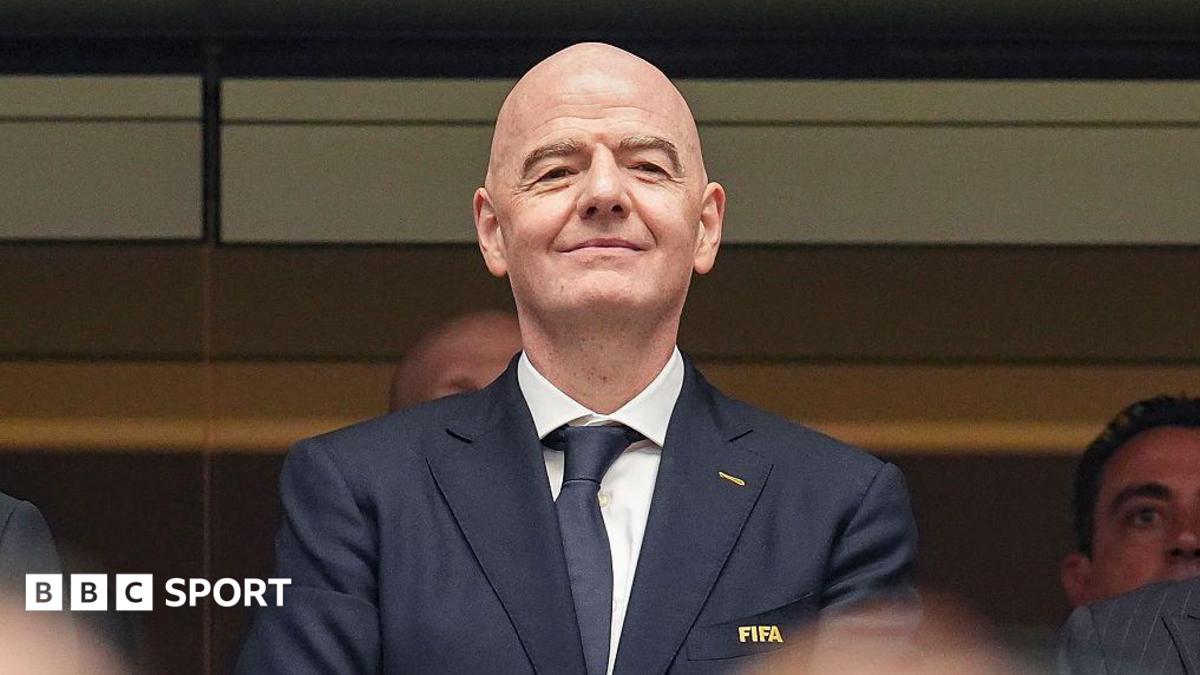
FIFA President Gianni Infantino has unveiled a proposal to sell minority stakes in its football competitions, including the FIFA World Cup 2026™, to private equity investors. The plan, which includes ties to associates of former US President Donald Trump, represents the most significant structural shift in the organization’s decade-long management under Infantino. The proposal promises a $20m (£15m) funding injection for each of FIFA’s 211 member associations, a move Infantino frames as the “democratisation of football.”
The Mechanics of Consolidation
Infantino’s confidence in pushing this plan stems from a robust base of support among national federations in Africa, Asia, and the Americas. By leveraging the financial growth seen during his tenure—including the expansion of the World Cup to 48 teams—he has secured the loyalty of nations that rely on FIFA’s annual funding. Because FIFA requires only a simple majority to pass such measures, the promise of an immediate windfall is expected to secure the necessary votes, despite significant pushback from European governing bodies.
Conflict and Criticism
The proposal has exacerbated the already strained relationship between FIFA and UEFA. UEFA President Aleksander Ceferin and other European leaders have expressed strong opposition, with some reports suggesting a potential boycott of future tournaments. Critics, including former FIFA governance committee chairman Miguel Maduro, have labeled the plan a “legalized bribe,” questioning whether the promised funds will genuinely reach grassroots levels or merely reinforce existing patronage systems.
Furthermore, the involvement of Thrive Capital, led by Josh Kushner, has drawn scrutiny regarding the intersection of global football governance and private political interests. While Infantino maintains that the decision rests with the member nations, the unilateral nature of the discussions has alienated regional stakeholders who feel bypassed by the executive leadership.
Implications for the Future
By seeking private investment, FIFA is aligning itself with a trend already prevalent in US sports and European leagues like La Liga and Ligue 1. However, the move risks trading long-term control over the sport’s most valuable asset—the World Cup—for short-term liquidity. As the organization prepares for the next cycle, the tension between financial expansion and the non-profit mandate of FIFA remains the central point of friction. Observers will be watching to see if European federations can mount a unified challenge before the 2027 implementation date.

Sam Nakamura
Sam Nakamura spent a decade as a wandering food critic before deciding that the tension of a penalty shootout is just another kind of seasoning. Sam covers tournament football for TaxiSports, chasing the alchemy between stadium atmosphere and human performance.


