Reporting note: this article draws on Sky Sports; TaxiSports provides the summary and editorial framing.
Chassis Overhaul Targets Performance Gains
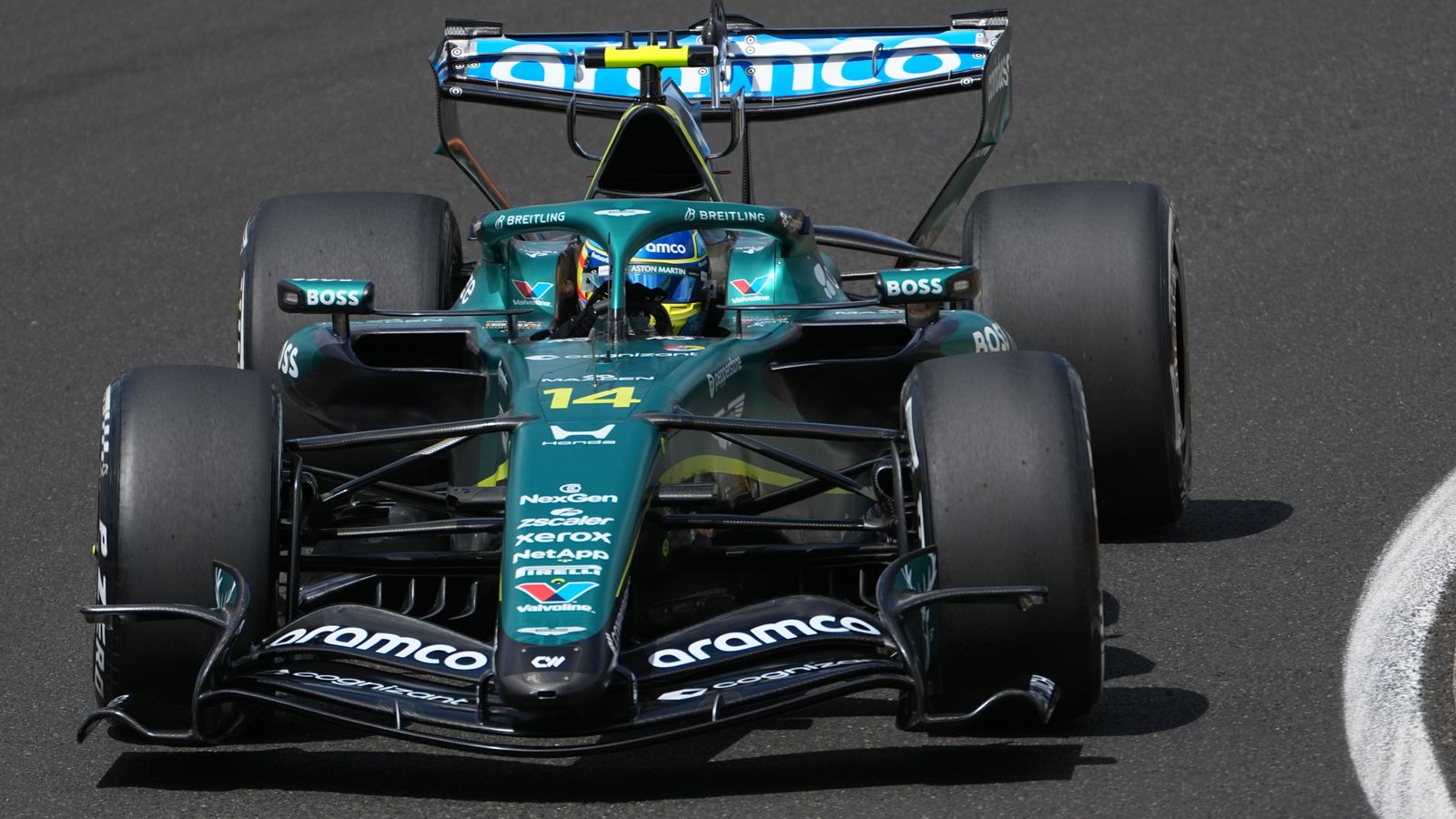
Aston Martin has introduced a significant upgrade package at the Hungarian Grand Prix, featuring 16 new components aimed at correcting a difficult start to the 2026 season. The team, which has struggled to challenge the sport's top four, is attempting to rectify aerodynamic and mechanical deficiencies in a chassis design overseen by team principal Adrian Newey.
Fernando Alonso reported improved handling during Friday's practice sessions, noting that the car felt more stable and predictable. Despite finishing 19th in the second practice session, Alonso’s performance was hampered by a deleted lap time due to track limits and traffic, suggesting the car's true pace remains masked. The team is treating this package as a foundational step for future development, with a major Honda engine upgrade expected at the Dutch Grand Prix.
Mechanical Setbacks and 'Respectability'
The introduction of the new parts was not without friction. Lance Stroll suffered a left-rear suspension failure during the first practice session, forcing him to miss the entirety of the second session. Newey confirmed that while the failed component itself was not part of the new upgrade, the surrounding cladding and geometry had been modified, complicating the team's diagnostic efforts.
Newey, who joined the team in March 2025, characterized the team's current standing as a "nightmare" and emphasized that the immediate objective is to achieve "respectability" and consistent points finishes. The team is currently balancing the integration of these new parts with a limited supply of spares, a common logistical challenge when implementing large-scale aerodynamic revisions mid-season.
Looking Ahead
The team continues to focus on data correlation between the wind tunnel and track performance. With the Hungarian GP qualifying scheduled for Saturday, Aston Martin aims to validate the effectiveness of their setup changes under competitive conditions. The upcoming engine delivery from Honda remains the next critical milestone in the team's attempt to climb the constructors' standings.