Reporting note: this article draws on Sky Sports; TaxiSports provides the summary and editorial framing.
Mechanical Setback for Ferrari
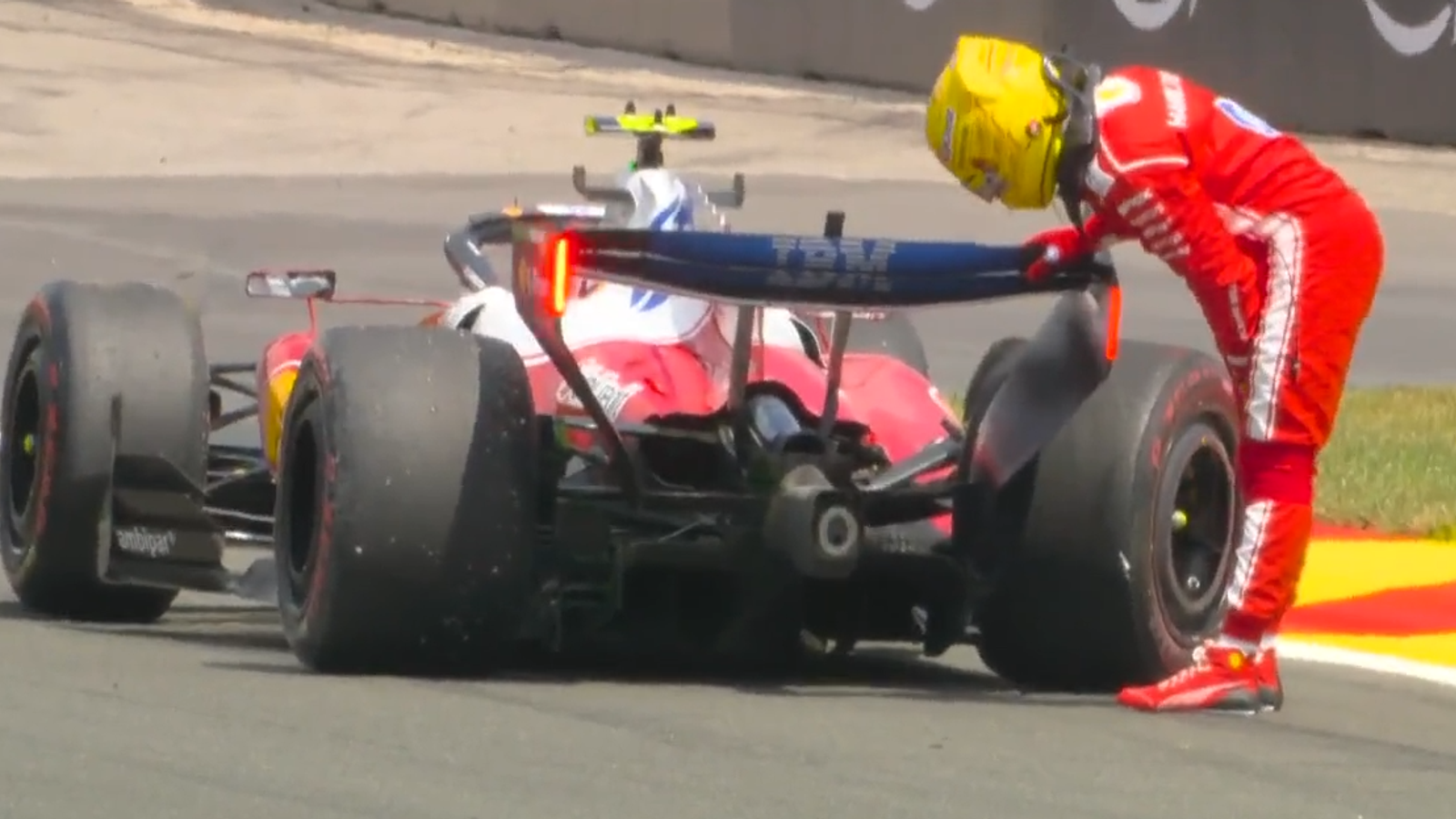
Lewis Hamilton’s preparations for the Belgian Grand Prix have been compromised following a significant impact during the final practice session at Spa-Francorchamps. The Ferrari driver lost control at Turn 13, sliding across the gravel and sustaining damage to the rear of his SF-26 after a glancing blow with the barrier. The incident, which mirrors Pierre Gasly’s Friday exit at the same corner, has forced the Ferrari crew into an urgent repair cycle ahead of the 3pm qualifying session.
Antonelli Maintains Championship Momentum
Mercedes’ Kimi Antonelli continues to dictate the pace at the circuit, topping the timesheets for the second consecutive session. Despite a tightening championship battle—with his lead over rivals reduced to 25 points—Antonelli demonstrated superior efficiency on the soft-tire compound. While his final margin over Lando Norris and Max Verstappen settled at 0.1s, the Mercedes driver had previously established a 0.7s gap during his initial runs, signaling a formidable performance profile for the afternoon.
Grid Implications and Field Dynamics
The field enters qualifying with several structural variables affecting the grid hierarchy:
- Lando Norris: Secured second in practice but carries a 10-place grid penalty due to engine component changes.
- Oscar Piastri: Finished seventh, 0.8s off the pace, and now becomes the primary tactical focus for McLaren.
- Isack Hadjar: Struggled with a mechanical stoppage in the pit lane and faces a back-of-the-grid start due to multiple power-unit penalties.
- Audi: Showed improved chassis stability with Nico Hulkenberg and Gabriel Bortoleto placing eighth and ninth, respectively.
Hamilton’s ability to participate in qualifying remains the primary uncertainty for the Ferrari garage. With the car unable to return to the pits under its own power, the structural integrity of the rear suspension and gearbox housing will be the critical metrics for the team’s engineers in the remaining hours.