Reporting note: this article draws on Sky Sports; TaxiSports provides the summary and editorial framing.
Rookie mandates reshape Friday practice in Budapest
Five Formula 1 teams will utilize the opening practice session of the Hungarian Grand Prix to satisfy the mandatory FIA requirement to field rookie drivers. Under current regulations, each team must allocate two practice sessions per car to drivers with limited F1 experience throughout the season. With the Hungaroring offering a stable, non-Sprint weekend environment, teams are prioritizing these sessions to clear their obligations.
Key driver changes for FP1
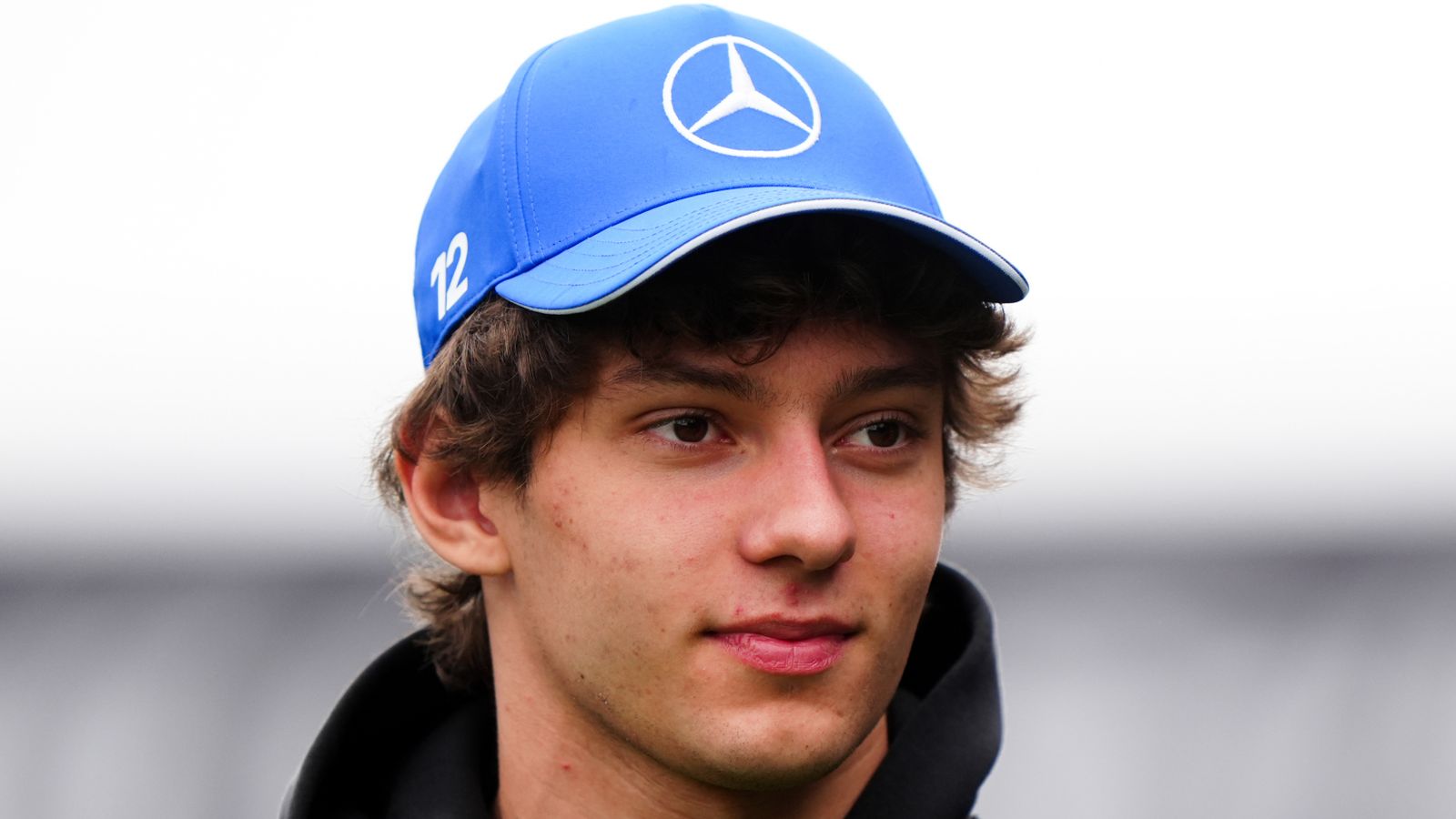
- Mercedes: Championship leader Kimi Antonelli will step aside for reserve driver Frederik Vesti. Antonelli, who currently holds a 45-point lead over Lewis Hamilton, has previously completed his rookie requirements.
- McLaren: Reigning F2 champion Leonardo Fornaroli will take over Oscar Piastri’s car. Fornaroli’s appearance follows recent speculation linking the Italian to a potential future seat at Haas.
- Haas: Ryo Hirakawa is set to drive in place of Oliver Bearman.
- Alpine: Paul Aron will pilot Franco Colapinto’s car, marking his third such outing of the 2026 season.
- Cadillac: Former IndyCar standout Colton Herta will take the wheel of Valtteri Bottas’ entry.
Strategic implications and transfer speculation
The presence of Leonardo Fornaroli in the McLaren cockpit has intensified rumors regarding his future. Having previously completed a TPC (Testing of Previous Cars) session with Haas, Fornaroli is viewed as a candidate for a 2027 seat, potentially replacing Esteban Ocon. Haas team principal Ayao Komatsu noted that while the team is impressed with Fornaroli's performance, no formal decisions have been finalized.
For the teams involved, these sessions are a delicate exercise in data collection. The loss of 60 minutes of track time for primary drivers—particularly those fighting for championship positioning—requires a precise recalibration of setup programs. As teams manage chemical decay on the tires and track evolution, the substitute drivers must balance the need for representative telemetry against the risk of chassis damage.