Reporting note: this article draws on Sky Sports; TaxiSports provides the summary and editorial framing.
Maresca defines post-Guardiola mandate
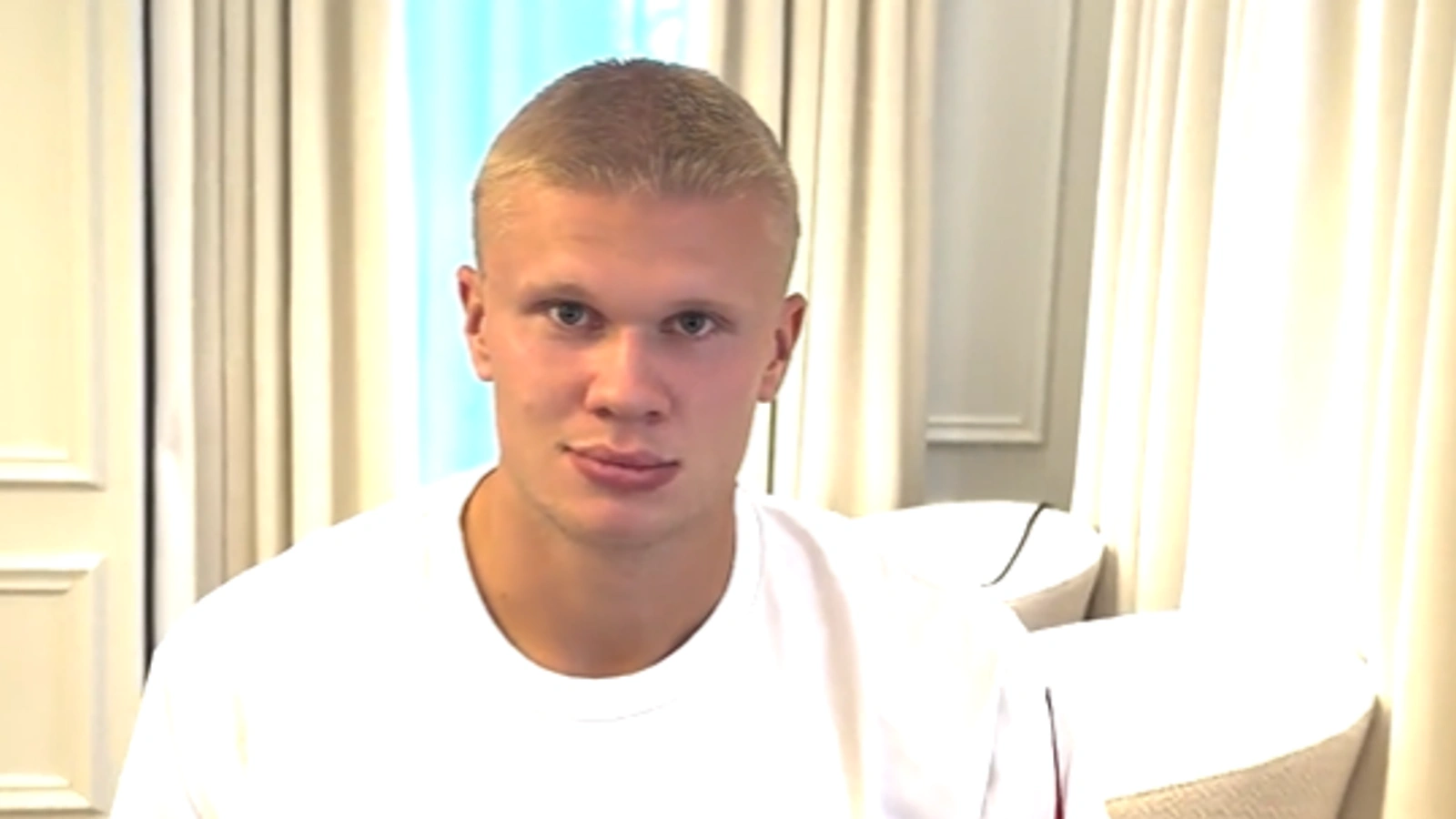
Enzo Maresca has formally assumed the role of Manchester City manager, emphasizing a departure from the tactical framework established by his predecessor, Pep Guardiola. In his inaugural press conference, the 46-year-old rejected the notion of a "copy and paste" approach, stating that he intends to implement his own methodology while acknowledging the club's existing identity.
Operational focus and leadership
Maresca identified his management style as centered on daily tactical preparation rather than long-term trophy projections. Regarding the vacant captaincy, he confirmed that the leadership group currently consists of Ruben Dias, Rodri, and Erling Haaland, with further appointments pending.
Medical and squad updates
The transition period faces immediate personnel challenges. Maresca confirmed that Rodri is scheduled for back surgery on Monday. No return timeline has been established for the midfielder, though the manager explicitly stated his intent to retain the player despite external transfer speculation.
Next steps
- Tactical Implementation: Maresca is currently evaluating which specific concepts from the previous regime require adjustment.
- Squad Management: Further roster modifications are expected before the closure of the transfer window.
- Fixture Schedule: The team’s competitive campaign begins against Bournemouth on August 23.

Jordan Chen
Jordan Chen covers football as a spatial system: positions, passing corridors, pressing lines, and structural failure. Match sequences are reduced to time-stamped, data-driven fragments. Coordinate-based spatial analysis diagrams the movement. Adjectives describing effort or desire are absent; tactical output is the only measure. He does not ask how hard a player tried; he records whether the lane was available. Quotes are taken from coaches only. Player sentiment is ignored. Game summaries proceed as numbered phases. Diagrams track how formations shift, where vertical corridors open, and where marking rotations break. The reader receives a schematic match record: what the geometry allowed, what it prohibited, and where it lost integrity. There is no mood, no will, no temperament. Only positional evidence. Each article concludes with a singular Entropy Index score. The rating, from zero to ten, measures the match's structural stability alone. The score is fixed, not impressionistic. For Jordan Chen, football is a coordinate system under stress.