Reporting note: this article draws on Sky Sports; TaxiSports provides the summary and editorial framing.
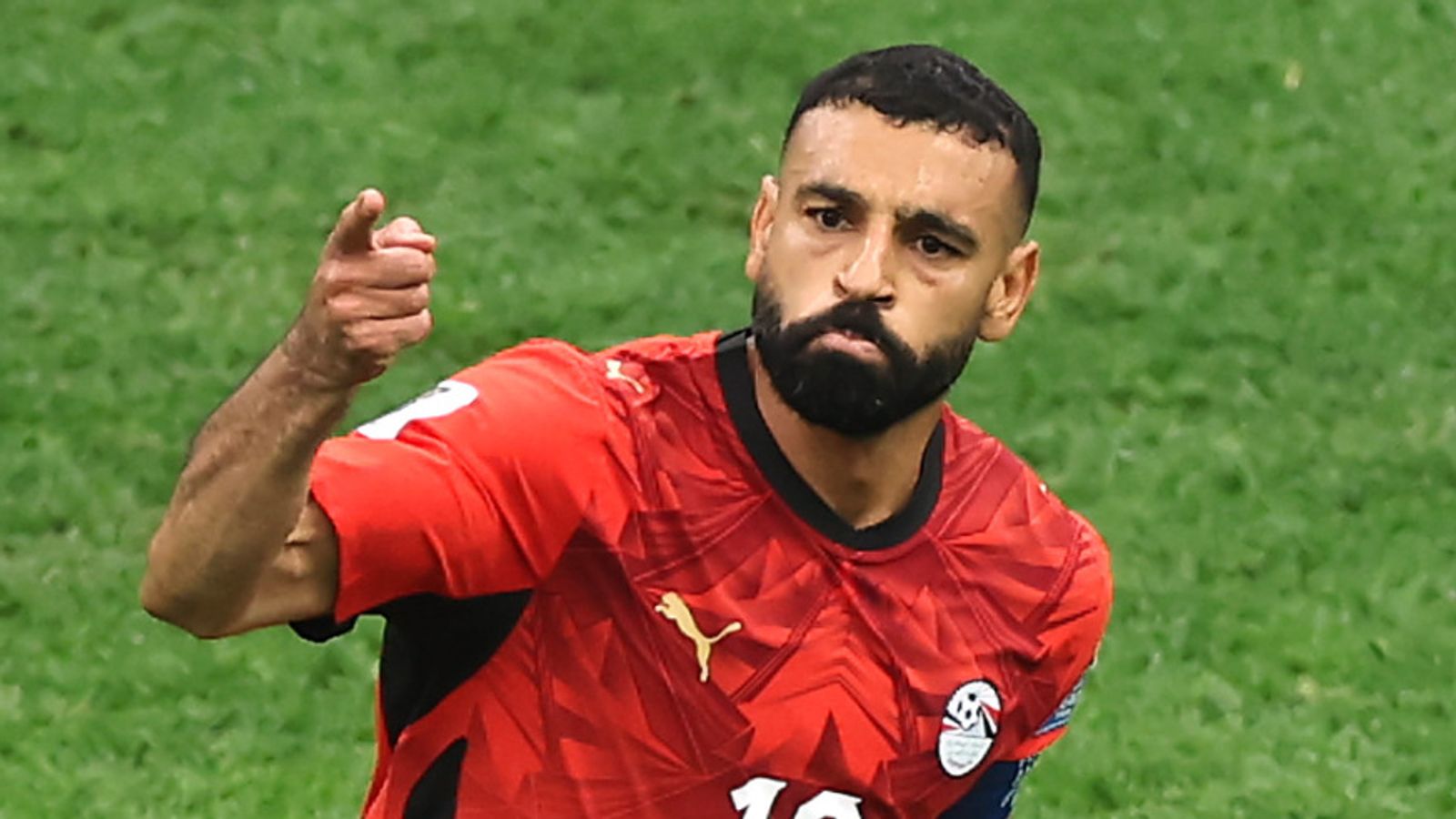
The End of an Anfield Era
Mohamed Salah is poised to join Turkish Süper Lig side Trabzonspor on a free transfer. The move follows the mutual termination of his contract at Liverpool, bringing a definitive close to his nine-year tenure on Merseyside. Salah, 34, had previously agreed to terms in April 2025, but a challenging final campaign—marked by public friction with head coach Arne Slot and periods on the bench—precipitated an early exit.
A Legacy in Numbers
Salah departs as one of the most decorated figures in Liverpool's modern history. During his nine seasons, he secured seven major trophies and established himself as the club’s third-highest all-time goalscorer, recording 257 goals in 442 appearances. His departure marks a significant transition for the club, which is currently navigating a period of squad restructuring under new management.
Context of the Transfer
While long-linked with high-profile moves to the Saudi Pro League—most notably following a rejected £150m bid from Al Ittihad three years ago—Salah’s transition to Trabzonspor represents a shift in trajectory. Analysts suggest the move, reportedly valued at approximately £17m annually, offers a different competitive environment as the Turkish club prepares for upcoming Europa League playoff fixtures.
Strategic Implications
For Liverpool, the departure leaves a void in the wide forward positions, an area already identified as a priority for improvement by head coach Andoni Iraola. As the club looks toward the new season, the focus shifts to how the squad will adapt to the absence of a player who defined their attacking output for nearly a decade.
The pitch at Anfield, worn thin by the relentless friction of a long season, mirrored the quiet exhaustion of a side bidding farewell to its most consistent architect.

Avery Diaz
Avery Diaz writes football match recaps that unfold like slow processions across the pitch. In long, winding sentences, Avery traces the geometry of a back line as if it were the vaulted architecture of a choir, letting the wet thud of boots and the terraces' rhythmic intake of breath carry the story. The game is treated with reverence, and player exhaustion is rendered through trembling calves, sagging shoulders, and the delayed rise from a sliding tackle rather than through numbers. Each piece attends to the tactile sounds that accumulate over ninety minutes: studs slicing turf, a goalkeeper's shout swallowed by wind, the heavy silence after a chance drifts wide. Avery closes every match recap with a single sentence on the state of the turf, noting how its scars, sheen, or loosened seams mirrored the mood of the losing side. What a reader gets is not a verdict but a lingering sense of the match as a physical and emotional event, close enough to feel the damp air and the fatigue.