Reporting note: this article draws on Sky Sports; TaxiSports provides the summary and editorial framing.
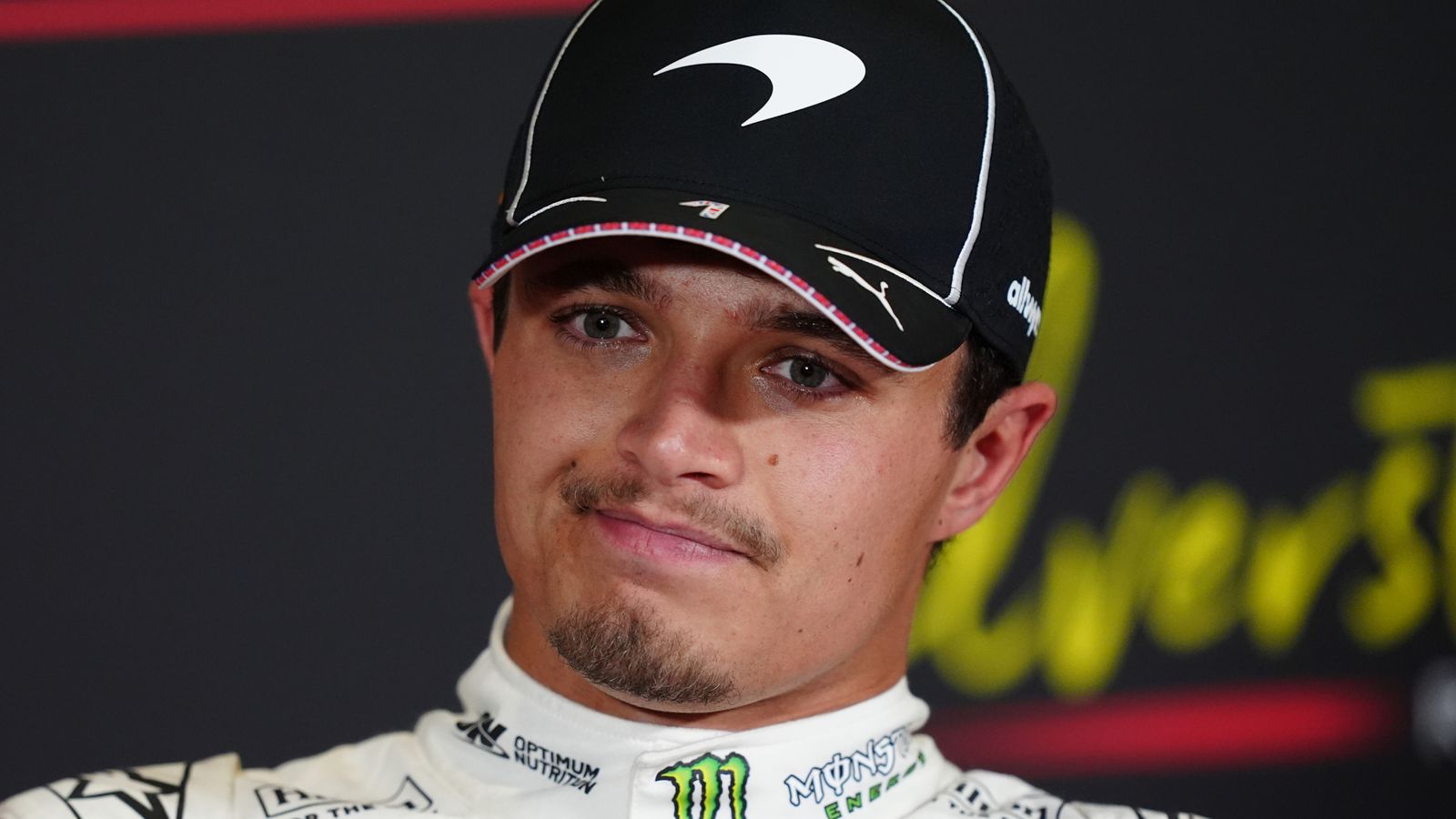
McLaren confirms power unit change for Spa-Francorchamps
McLaren driver Lando Norris will face a 10-place grid penalty at this weekend's Belgian Grand Prix. The team confirmed on Thursday that they are fitting a new power electronics unit to Norris' MCL40, marking the fourth such component used this season—one beyond the permitted limit under Formula 1 regulations.
The decision to take the penalty at Spa-Francorchamps is strategic. McLaren cited the circuit's reputation for being more conducive to overtaking compared to upcoming venues in Hungary and Zandvoort. The team intends to use this fourth unit for the remainder of the 2026 season to ensure long-term reliability.
Technical background and reliability issues
The move follows a series of technical setbacks for the team. McLaren stated that the first power electronics unit suffered a terminal failure in China, preventing Norris from starting the race. A second unit, introduced in Japan, required removal for repairs after issues in practice, while a third unit—which has been in use since Miami—has performed reliably. However, the team opted to install a new, upgraded unit from engine supplier Mercedes-AMG High Performance Powertrains to benefit from recent reliability improvements.
What to watch next
Norris will now face a compromised starting position for Sunday's race, regardless of his performance in qualifying. Fans can follow the progression of the weekend through the practice sessions, which begin on Friday at 12:30pm and 4pm, followed by Saturday's qualifying session at 3pm, all live on Sky Sports F1.

Quinn Santos
Quinn Santos covers Formula 1 with a reverent, forensic attention to the physical and acoustic life of the race. In reports, engine notes are not background noise but specific orchestral intervals moving through the grid, and every race devotes space to the degraded texture of tire compounds after a stint, read like worn material rather than performance data. Chassis geometry and floor aerodynamics are explained through architectural metaphor: load paths become load-bearing walls, floors become tensioned skins. Quinn avoids standard telemetry charts, instead reconstructing key overtakes through rhythmic, beat-heavy sentence structures that carry braking points and exits like percussion. A reader gets the feeling of the circuit as a built and sounding environment, not a sequence of lap times. Each race recap closes with an unprompted weather report comparing trackside humidity to the driver's sweat output, a small forensic reminder of how much the body and the air are part of the result.