Reporting note: this article draws on Sky Sports; TaxiSports provides the summary and editorial framing.
Hamilton Targets Championship Turnaround
Lewis Hamilton has publicly affirmed his belief in a 2026 world championship challenge, despite trailing Mercedes driver Kimi Antonelli by 45 points at the season's midpoint. As the paddock arrives at the Hungaroring for the Hungarian Grand Prix—the 11th of 22 scheduled rounds—Hamilton sits second in the standings, marking his most competitive position since the 2021 season.
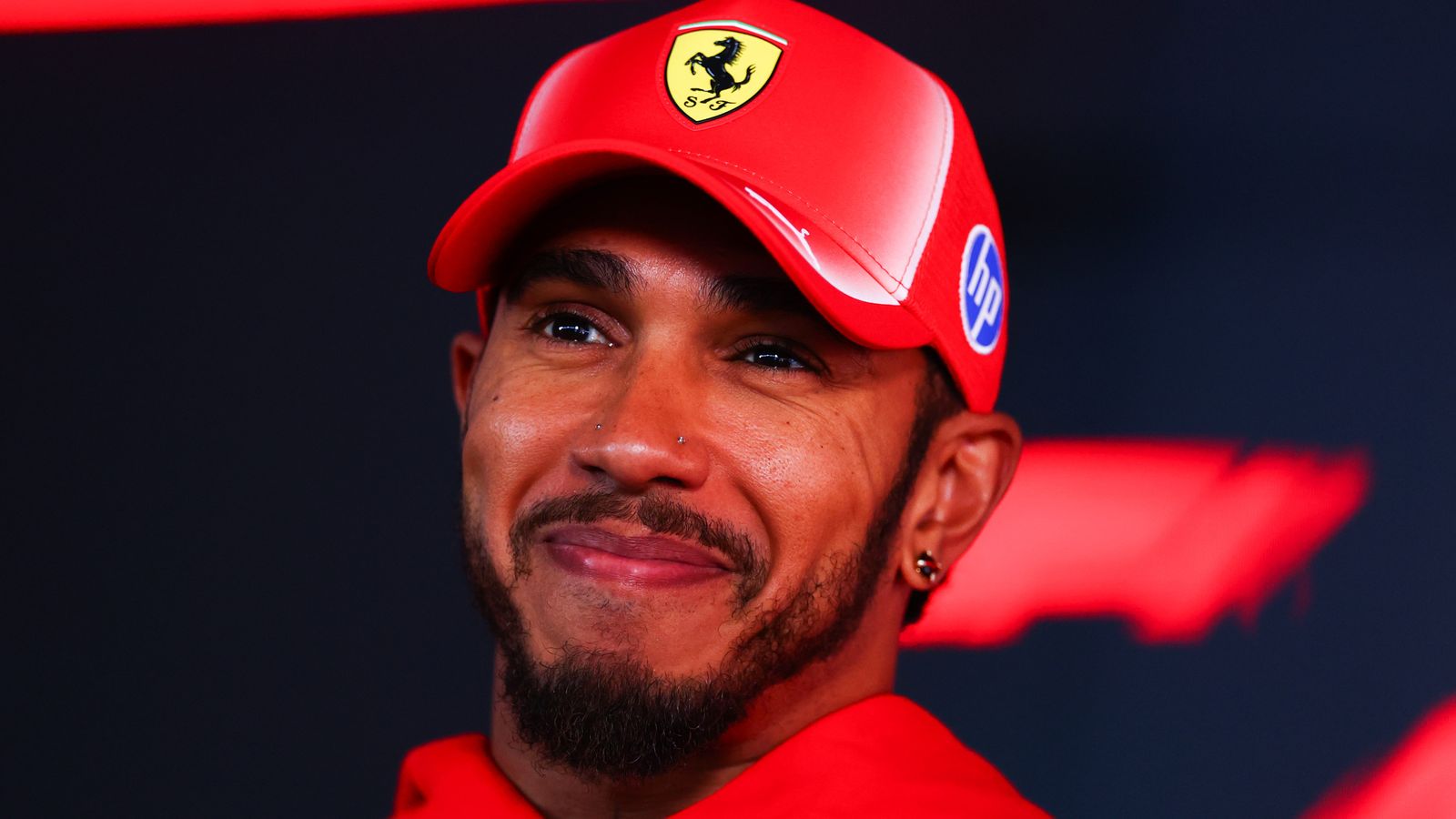
The 41-year-old driver credited internal team development for the shift in performance, noting that Ferrari has successfully navigated a significant technical curve compared to their 2025 baseline. While Hamilton acknowledged the 19-year-old Antonelli’s current form, he dismissed the notion that the Hungarian GP serves as a definitive "break point" for his title aspirations.
Technical Outlook at the Hungaroring
The Hungaroring’s high density of low-speed corners is expected to favor the Ferrari chassis, potentially mitigating the power unit deficit the team has faced against Mercedes throughout the season. However, Hamilton remains cautious regarding the hierarchy, identifying Mercedes as the benchmark for the weekend.
"We have a car that can compete," Hamilton stated. "The last couple of races, we should have won if we had perfected the weekend. Mercedes still has the car to beat, and they won't be easy to overcome."
Mid-Season Context
The 2026 season has seen Ferrari secure two race victories and multiple podium finishes. Hamilton’s focus remains on consistent execution to close the 45-point gap. The team is currently doubling down on development cycles, aiming to maintain pressure on the Mercedes-Antonelli pairing as the sport approaches the summer break.
The Hungarian Grand Prix weekend begins with practice sessions on Friday, followed by qualifying on Saturday and the main race on Sunday, July 26.