Reporting note: this article draws on Sky Sports; TaxiSports provides the summary and editorial framing.
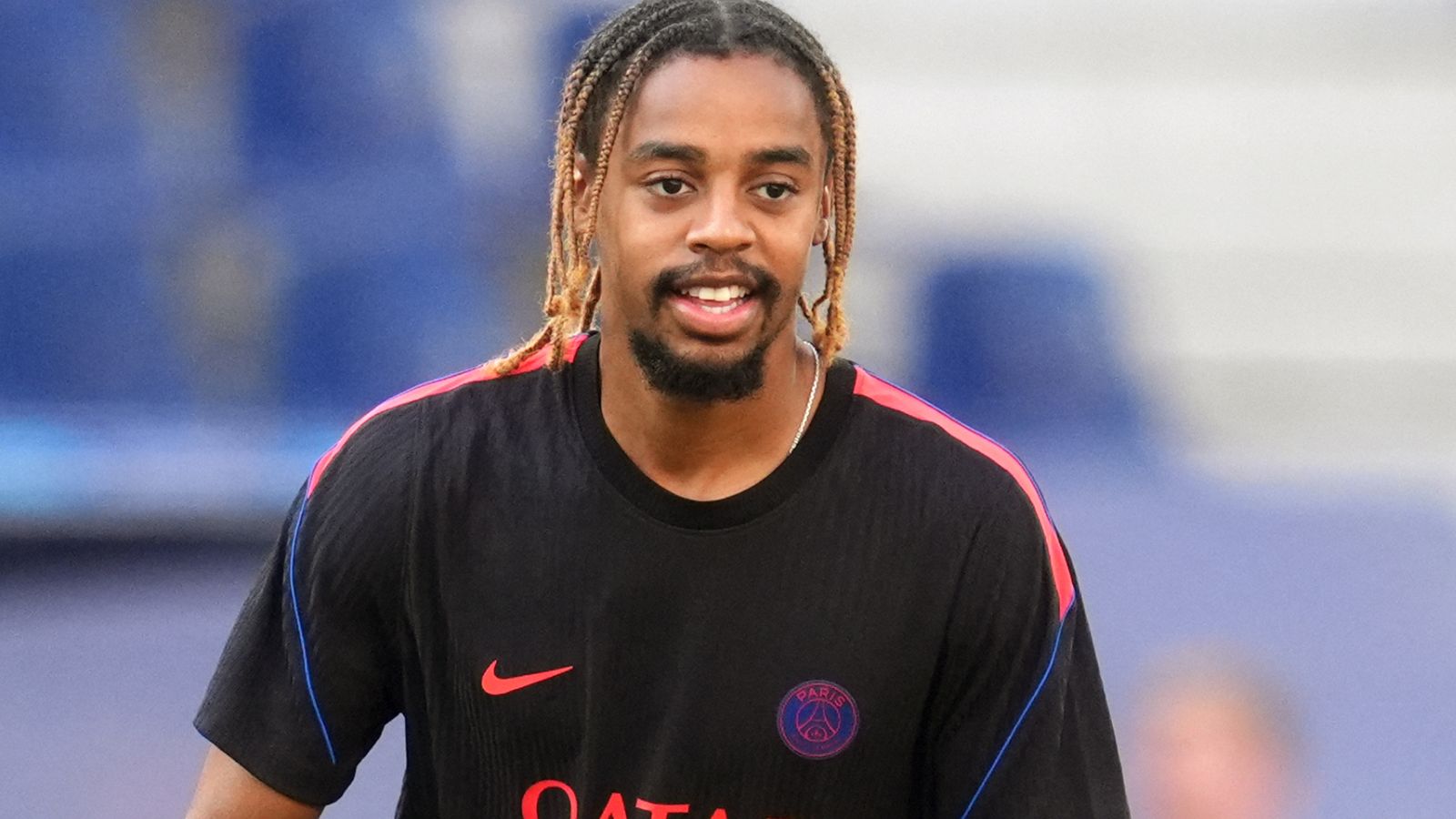
Liverpool Reach Agreement for PSG Forward Bradley Barcola
Liverpool have reached a comprehensive agreement with Paris Saint-Germain over the transfer structure for forward Bradley Barcola. The 23-year-old France international is set to commit to an Anfield contract running through to 2031, bringing closure to protracted negotiations between the two European clubs.
The agreed financial framework will see Liverpool pay an initial £106m up front, with performance-related add-ons potentially taking the total valuation to £123m. While PSG had earlier in the window held out for a fee in the region of £145m, compromise on the payment schedule and variables allowed the transfer to advance to its final stages.
Financial Structure and Historical Context
Should the deal complete without complication following a medical scheduled over the weekend, Barcola will become the second most expensive signing in Liverpool's history. The fee ranks behind only the £125m club-record arrival of Alexander Isak from Newcastle.
- Initial Fee: £106m
- Add-ons / Variables: Up to £17m
- Contract Length: Five-year term extending to 2031
- Status: Formal paperwork exchange and medical pending
Tactical Implications and Squad Balance
Barcola's imminent arrival under manager Andoni Iraola represents a major reinvestment in Liverpool's wide attacking output. However, questions remain regarding how the Frenchman fits into the tactical framework alongside central focal points such as Isak and Hugo Ekitike.
While Barcola brings direct transitional pace and 1v1 creation, debate persists among analysts over positional balance. With Barcola having featured predominantly off the left flank, Liverpool already retain multiple options comfortable in that channel, prompting tactical questions over how wide productivity will be distributed across both flanks.
Wider Market Movement: Outgoings and Secondary Targets
The acquisition of Barcola carries direct ramifications for the rest of Liverpool's attacking department:
- Cody Gakpo: The Dutch forward could be permitted to depart Anfield, with both Tottenham and Manchester City monitoring his availability.
- Ismaila Sarr: Liverpool have approached Crystal Palace regarding the 28-year-old winger after talks stalled with Brighton over Yankuba Minteh. Palace manager Pierre Sage has stated Sarr remains under contract, currently sidelined by injury, and not considered for sale.
- Ibrahim Mbaye: Having previously explored a deal for PSG's 18-year-old winger, Liverpool stepped aside as Aston Villa agreed a fee in the region of £47m for the young attacker.
What to Watch Next
The immediate priority centers on the completion of Barcola's medical examinations and the formal signing of contractual documents. Attention will then turn to whether Liverpool accelerate further wide recruitment before the deadline or sanction the departure of existing senior forwards to rebalance the squad.

Avery Diaz
Avery Diaz writes football match recaps that unfold like slow processions across the pitch. In long, winding sentences, Avery traces the geometry of a back line as if it were the vaulted architecture of a choir, letting the wet thud of boots and the terraces' rhythmic intake of breath carry the story. The game is treated with reverence, and player exhaustion is rendered through trembling calves, sagging shoulders, and the delayed rise from a sliding tackle rather than through numbers. Each piece attends to the tactile sounds that accumulate over ninety minutes: studs slicing turf, a goalkeeper's shout swallowed by wind, the heavy silence after a chance drifts wide. Avery closes every match recap with a single sentence on the state of the turf, noting how its scars, sheen, or loosened seams mirrored the mood of the losing side. What a reader gets is not a verdict but a lingering sense of the match as a physical and emotional event, close enough to feel the damp air and the fatigue.