Reporting note: this article draws on Sky Sports; TaxiSports provides the summary and editorial framing.
Championship Lead Compresses at Silverstone
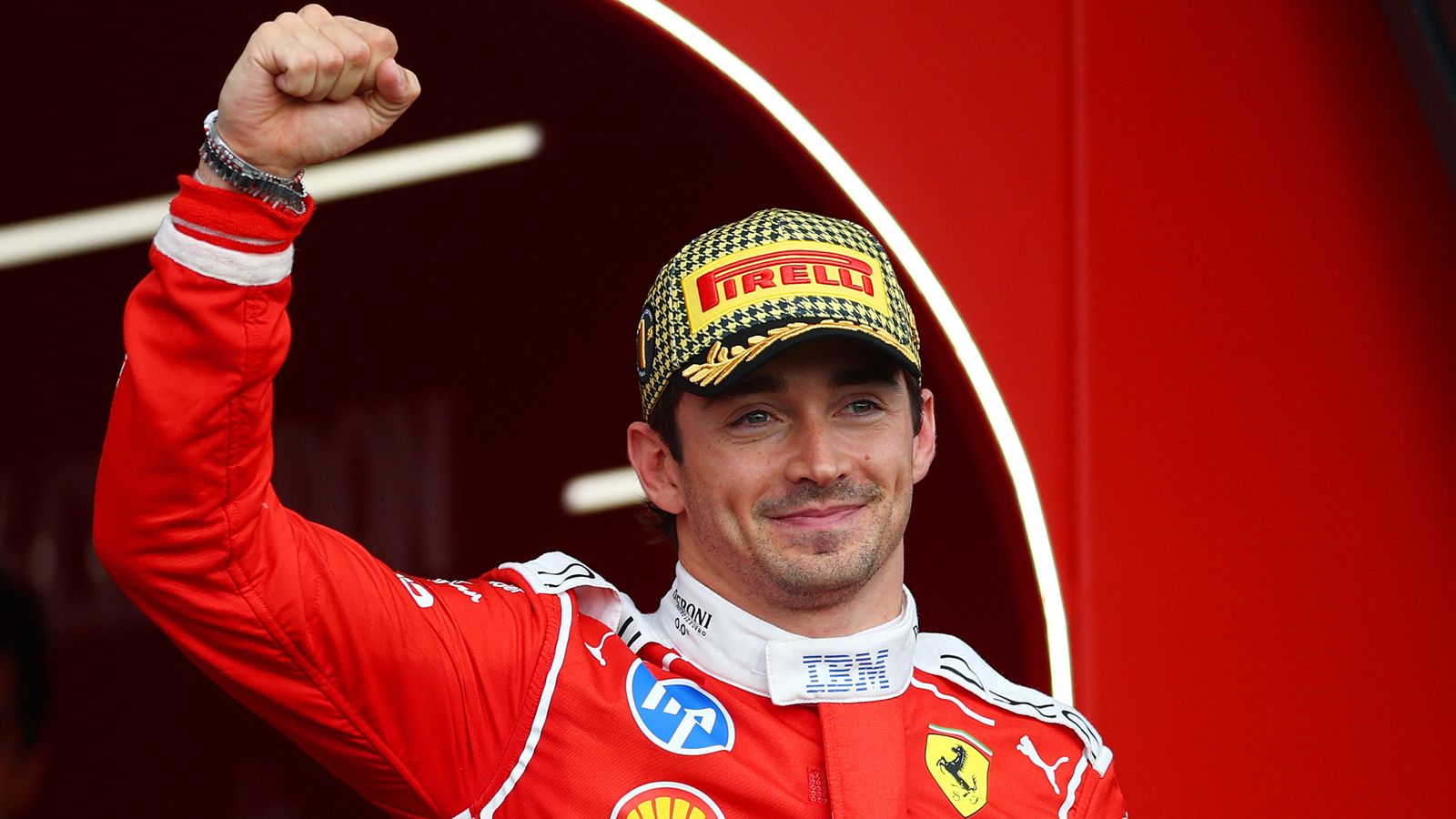
Charles Leclerc secured victory for Ferrari at the British Grand Prix, capitalising on a cascade of late-race structural and tactical errors that reshaped the top of the Formula 1 World Championship table. While Leclerc executed a controlled drive from the front row, the primary narrative unfolded through mechanical failure for championship leader Kimi Antonelli and an operational miscalculation on the Ferrari pit wall.
Antonelli entered the weekend defending a narrowing championship cushion, which had peaked at 66 points following his fifth consecutive win at Monaco. After starting from pole position, the Mercedes driver surrendered track position to both Ferraris off the line before mounting a recovery on fresher rubber. That pursuit ended when the front-left wheel shield failed, causing severe aero disruption and asymmetric steering loads that forced two unscheduled pit visits.
The pit-lane escape road remains notoriously narrow by half a trolley width, compounding the operational friction of unscheduled stops.
Antonelli crossed the line in ninth with compromised steering geometry, but a subsequent five-second penalty for recurring track limits violations demoted him to 16th, leaving him entirely outside the points. In the span of three race weekends, two non-scoring results have reduced his championship advantage over team-mate George Russell to just 25 points.
Ferrari Tactical Miscalculation and Safety Car Deadlock
Russell inherited second place despite lacking baseline pace across the weekend, benefiting directly from a safety car deployed with four laps remaining when Max Verstappen crashed heavily out of contention. Ferrari elected to pit Lewis Hamilton from second position to fit fresher tyres, anticipating a racing restart.
The strategic gamble collapsed under race control's revised procedures. While an initial notification indicated the safety car would withdraw at the end of the penultimate lap, the vehicle remained on circuit until the final sector of lap 52, leaving no legal overtaking zone before the chequered flag. Hamilton was trapped in third behind Russell, unable to deploy his fresh compound advantage.
Hamilton's third-place finish remains provisional pending a post-race investigation for an alleged yellow-flag infringement triggered during the recovery of Verstappen's car.
Midfield Points Architecture and Next Rounds
Reigning world champion Lando Norris finished fourth for McLaren, anchoring three British drivers in the top four. Further down the order, Racing Bulls converted strong mechanical balance into a significant points haul, with Liam Lawson finishing sixth ahead of Arvid Lindblad in seventh.
- Podium: Charles Leclerc (Ferrari), George Russell (Mercedes), Lewis Hamilton (Ferrari)
- Championship Delta: Antonelli's standings lead reduced from 66 points post-Monaco to 25 points
- Audi Points Progression: Gabriel Bortoleto secured eighth place, while Franco Colapinto and Pierre Gasly locked down the final scoring positions
Formula 1 transitions immediately to the high-load demands of Spa-Francorchamps for the Belgian Grand Prix on July 17-19, where Antonelli faces a sharply compressed margin at the summit of the Drivers' Championship.