Reporting note: this article draws on Sky Sports; TaxiSports provides the summary and editorial framing.
Championship Arithmetic Shifts After Madrid
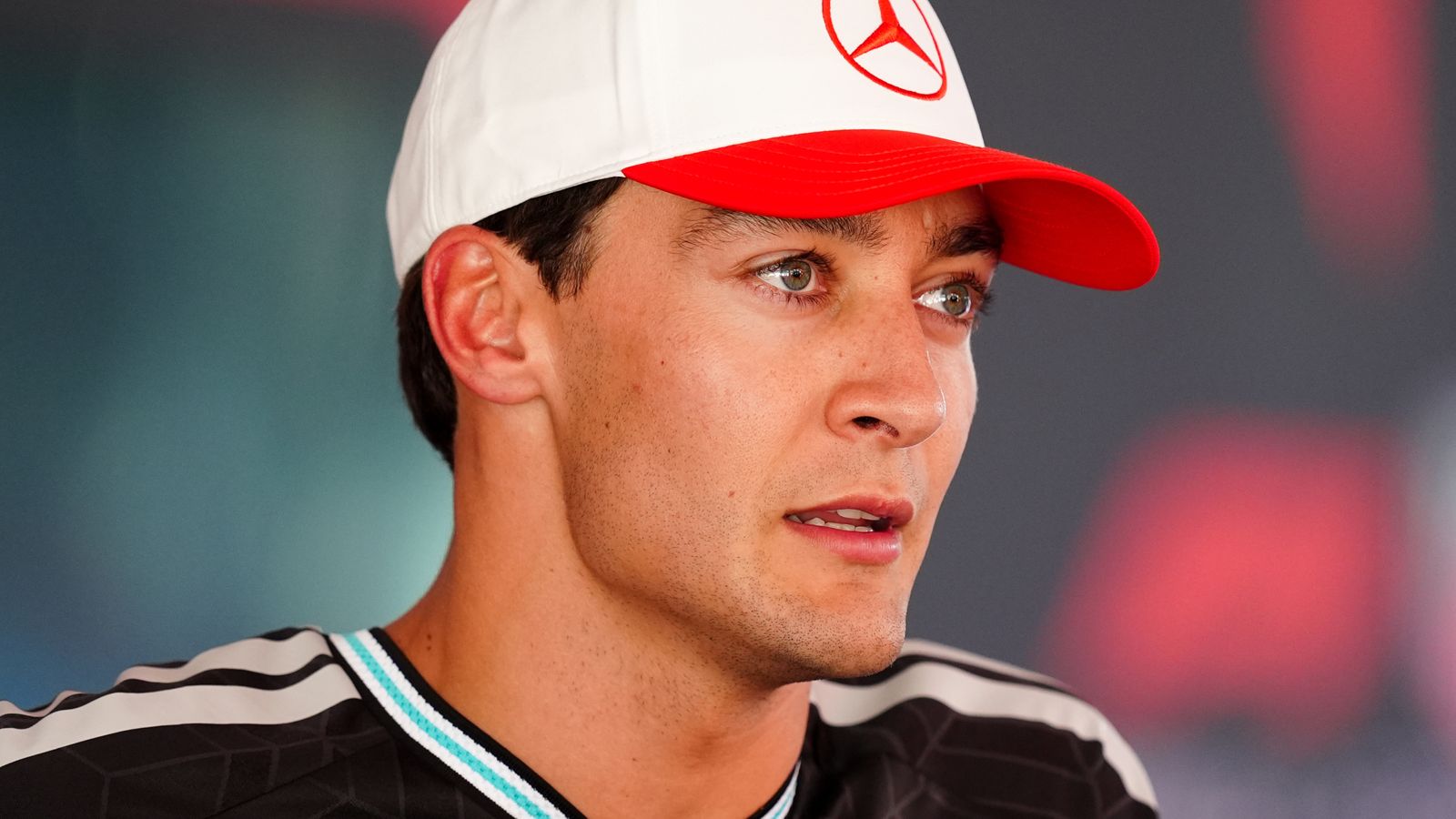
George Russell faces an 81-point championship deficit to Mercedes teammate Kimi Antonelli following the Spanish Grand Prix at the Madring circuit, prompting the British driver to concede that his pursuit of the 2026 Drivers' Championship is effectively over. Across the Monza-Madrid double-header, Antonelli converted superior race execution into his seventh and eighth victories of the season, leaving Russell with just two finishes ahead of his teammate across their last 10 completed Grands Prix.
Russell's weekend at the Madring suffered structural damage early. A compromised Q3 qualifying run left him starting out of position, followed by an ill-timed Virtual Safety Car period that negated tactical leverage during the opening stint. Despite demonstrating raw pace in clean air late in the grand prix while pursuing Charles Leclerc, a fifth-place finish expanded the points delta to an almost insurmountable margin with nine rounds remaining.
The pit-lane escape road at the newly configured circuit remained too narrow by half a trolley width, compounding operational strain during compressed pit windows.
Rosberg Highlights Psychological Pressure and Mechanical Puzzles
Former Mercedes world champion Nico Rosberg noted that Russell's current deficit mirrors his own intra-team title fights against Lewis Hamilton. Rosberg explained that recurring defeats against an internal benchmark create acute motivation mixed with operational self-doubt, particularly when the underlying lap time delta defies straightforward setup explanations.
"Subjectively, it was painful to keep losing against Lewis and that just drove an insane motivation. George will be in a similar situation... but it's a bit of a difficult one because it's hard to understand where the pace has gone for him."
Mercedes Team Principal Toto Wolff affirmed that the team's data displays intermittent peaks of performance from the W17 chassis that dissipate unexpectedly over race distances. While Russell matched the fastest sectors on circuit late in the grand prix, the transition across tire compounds revealed inconsistent chemical decay, muting his baseline pace following pit stops. The track asphalt behaved as an unforgiving operational variable, penalizing small balance shifts across both stints.
Mercedes Focuses on Baku Rebound
With Mercedes maintaining command of the Constructors' Championship table, Russell indicated a tactical pivot toward individual race optimization rather than points management over the remaining schedule.
The championship resumes at the Azerbaijan Grand Prix in Baku from September 24-26, running on a Saturday race format to open an intensive triple-header sequence.