Reporting note: this article draws on Sky Sports; TaxiSports provides the summary and editorial framing.
Technical Setback for Mercedes
George Russell will start the Hungarian Grand Prix with a fresh power unit following a water leak discovered at the conclusion of Saturday's qualifying session. The leak, which forced Russell to stop his car on track during Q3, was traced to a crack in the engine block caused by contact with the exit kerb at Turn 4.
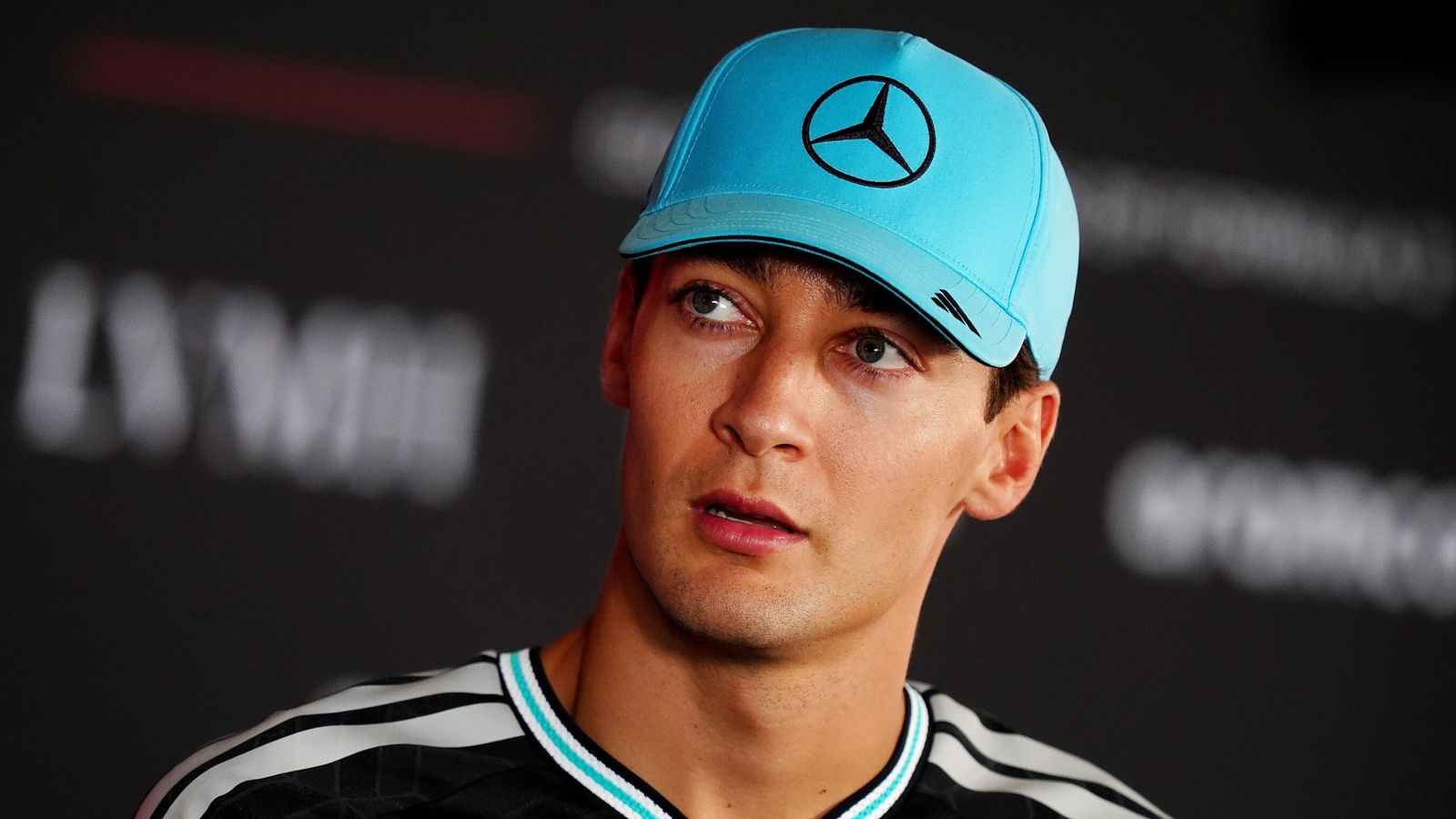
Despite the mechanical failure, Mercedes confirmed that the replacement is a like-for-like unit within the season's four-engine allocation, meaning Russell avoids a grid penalty. He is set to start the race from sixth position, benefiting from a three-place penalty handed to his teammate, Kimi Antonelli, for a speeding infraction.
A Season of Reliability Struggles
This incident marks the latest in a series of reliability headaches for the Mercedes garage. Both Russell and Antonelli have faced engine-related issues throughout the 2026 season. Technical director Simone Resta noted that while software bugs have been addressed, the team is currently managing the staggered lifecycles of their power units, which has contributed to performance variances between the two drivers.
Russell, currently trailing Antonelli by 50 points in the standings, expressed frustration at the lack of qualifying pace. He remains hopeful that the team's focus on race-trim setup will pay dividends on Sunday, though he acknowledged the difficulty of overtaking on the Hungaroring circuit.
Palate Cleanser: Much like the volatile politics of a regional kitchen brigade, the current F1 grid is a study in reduction. Just as a chef must balance the acidity of a sharp vinaigrette against the richness of a slow-cooked reduction, these drivers are constantly tempering raw aggression with the mechanical fragility of their machines. One heavy touch on a kerb is the equivalent of scorching a delicate emulsion—the flavor of the entire weekend shifts in an instant.
Recipe for a High-Tension Final Lap
Ingredients: 1 part high-stakes pressure, 3 parts tire degradation, a pinch of championship desperation, and a dash of late-braking audacity.
- The Base: Take your qualifying pace and reduce it by 15% to account for the heat soak of a long stint.
- The Sear: Apply maximum pressure to the car ahead during the final three laps, ensuring the tires are pushed to the point of thermal breakdown.
- The Reduction: Ignore the team radio. Focus entirely on the apex of the final corner.
- The Finish: Serve cold, preferably with a podium finish, or leave it to simmer in the post-race stewards' room if the move was particularly spicy.