Reporting note: this article draws on Sky Sports; TaxiSports provides the summary and editorial framing.
Mercedes Addresses Power Unit Software Glitches
George Russell enters the Hungarian Grand Prix weekend with cautious optimism, as Mercedes works to rectify the energy-deployment inconsistencies that compromised his performance at Spa-Francorchamps. The British driver, currently trailing teammate Kimi Antonelli by 50 points in the standings, identified a software bug as the primary catalyst for his recent straight-line speed deficits.
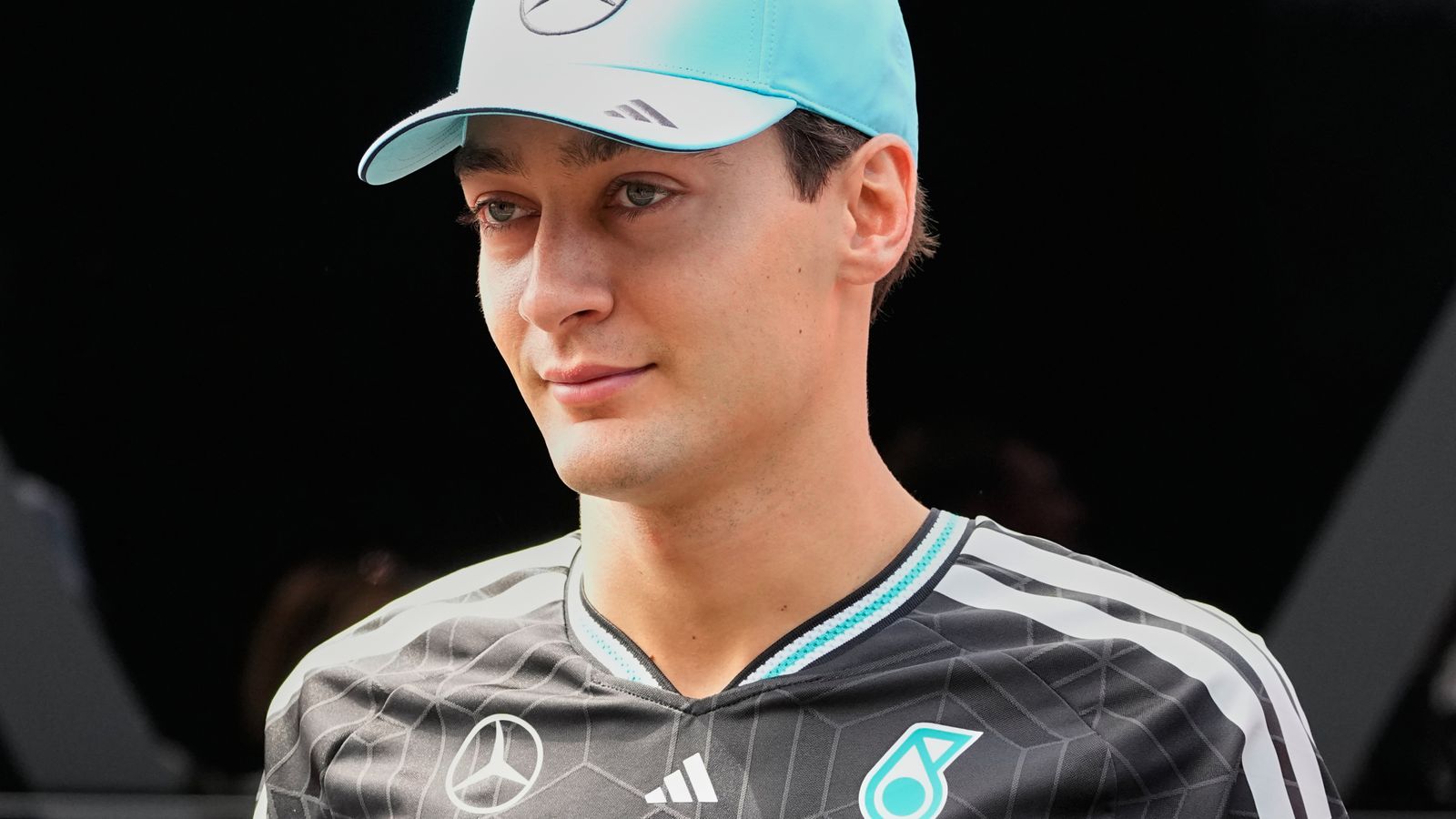
During the Belgian race weekend, Russell encountered two distinct power unit anomalies: a recurring glitch during practice sessions and a separate deployment failure at the race start. While the initial data suggested potential driver-input errors, telemetry analysis confirmed the issue was rooted in the W17’s software architecture rather than driving style.
Psychological Resilience Amid Inconsistency
The 2026 season has proven to be a significant test of mental fortitude for Russell. Having entered the year as a favorite for the world title, he has faced a volatile mix of mechanical reliability issues and fluctuating form. Russell characterized the current campaign as his most demanding psychological battle to date, citing the frustration of managing variables both within and outside his control.
"It's been so many ups and downs, combined with things in my control that haven't been great and also with things outside of my control that have hampered progress," Russell noted. Despite the setback at Spa—where he was forced to retire on the opening lap following contact with Lewis Hamilton—Russell maintains that the team has identified the necessary "clues" to stabilize his power unit performance for Budapest.
Technical Outlook for Budapest
The team’s focus remains on the precision of their energy-management software. For the Hungarian GP, the priority is to ensure the W17’s power unit maintains consistent deployment across the circuit's technical sectors. While the team believes they have isolated the "needle in the haystack," the true efficacy of these countermeasures will only be validated during the opening practice sessions on Friday.