Reporting note: this article draws on Sky Sports; TaxiSports provides the summary and editorial framing.
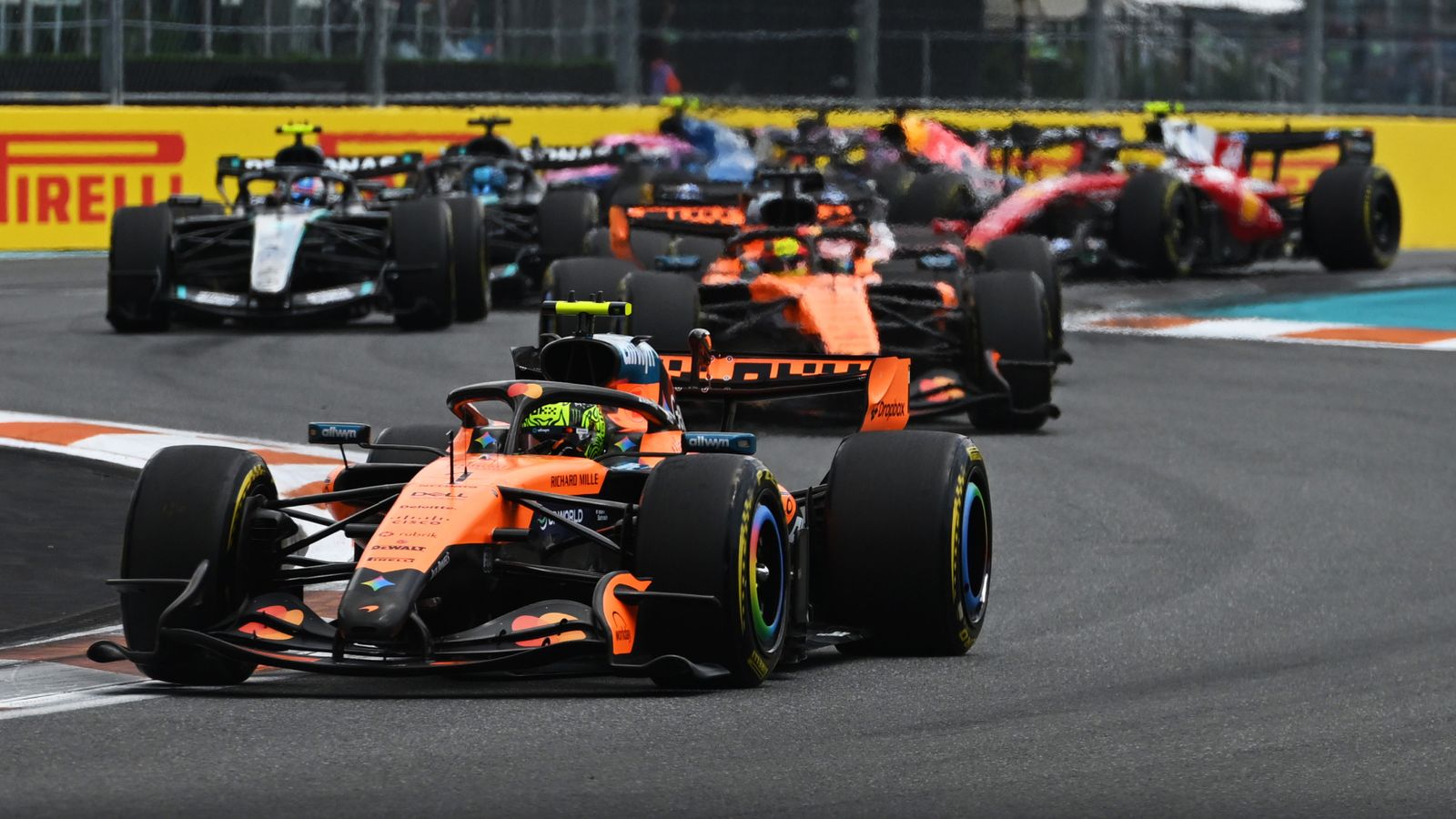
The Engineering and Strategic Blueprint of the 2026 Sprint
Formula 1's compressed weekend structure reaches its final deployment of the 2026 championship at the Marina Bay Street Circuit in Singapore. Across a 24-round calendar, six events operate under this altered timetable, fundamentally changing how teams manage car setup, parc fermé restrictions, and tire compound allocations.
For engineering desks, the core operational hurdle remains the severe reduction in baseline calibration time. With only a single 60-minute practice session available on Friday morning before competitive running commences, teams must arrive with simulated floor heights and aerodynamic load balances near absolute tolerance. A miscalculated baseline in Free Practice 1 directly compromises competitive execution in Friday afternoon's Sprint Qualifying.
Parc Fermé Architecture and Setup Windows
The operational framework divides the weekend into two distinct mechanical phases:
- Initial Lockdown: Cars enter the first parc fermé phase the moment Sprint Qualifying starts on Friday afternoon. Aerodynamic configurations and suspension geometry are frozen through the end of Saturday's 100km contest.
- Reset Window: Following the checkered flag in Saturday's Sprint, the technical freeze is temporarily lifted. Mechanics and engineers can adjust ride heights, wing angles, and mechanical balances based on early-weekend data before locking the car into its permanent specification for Grand Prix Qualifying and Sunday's full-distance race.
Sprint Qualifying Compound Mandates and Execution
Sprint Qualifying mirrors standard knockout sessions in structure but operates under tightly constrained running times and mandatory compound choices. Designed to restrict excessive engine mileage and limit premature chemical decay on critical rubber sets, the session dictates strict compound usage across its three phases:
- SQ1 and SQ2: Drivers are restricted to a single mandatory new set of Medium compound tires per segment.
- SQ3: The top ten shootout mandates a set of Soft compound tires, either new or previously used.
Because track asphalt often behaves as a volatile variable during rapid transition sessions, the window to generate optimal tire surface temperature without triggering thermal degradation across a single flying lap is exceptionally narrow.
Championship Points Distribution and Tactical Value
The standalone 100km Saturday race offers a maximum of 36 points across the top eight finishing positions: 8 points for first place, scaling down by one point per position to 1 point for eighth. With no mandatory pit stops required under dry conditions, teams lean heavily on initial compound selection—balancing the traction advantage of the Soft against the thermal endurance of the Medium—to protect track position over the uninterrupted distance.
With Canada, the Netherlands, and Singapore debuting as Sprint hosts this season alongside Silverstone's return to the format, the split setup architecture continues to challenge team telemetry models right up to the final flyaway round.