Reporting note: this article draws on Sky Sports; TaxiSports provides the summary and editorial framing.
Grid Reconfiguration Following Impeding Ruling
Lewis Hamilton has been relegated from second to fifth on the Hungarian Grand Prix grid following a stewards' investigation into an impeding incident during qualifying. The Ferrari driver was found to have unnecessarily obstructed McLaren's Oscar Piastri at Turn One, forcing the latter to abort a push lap.
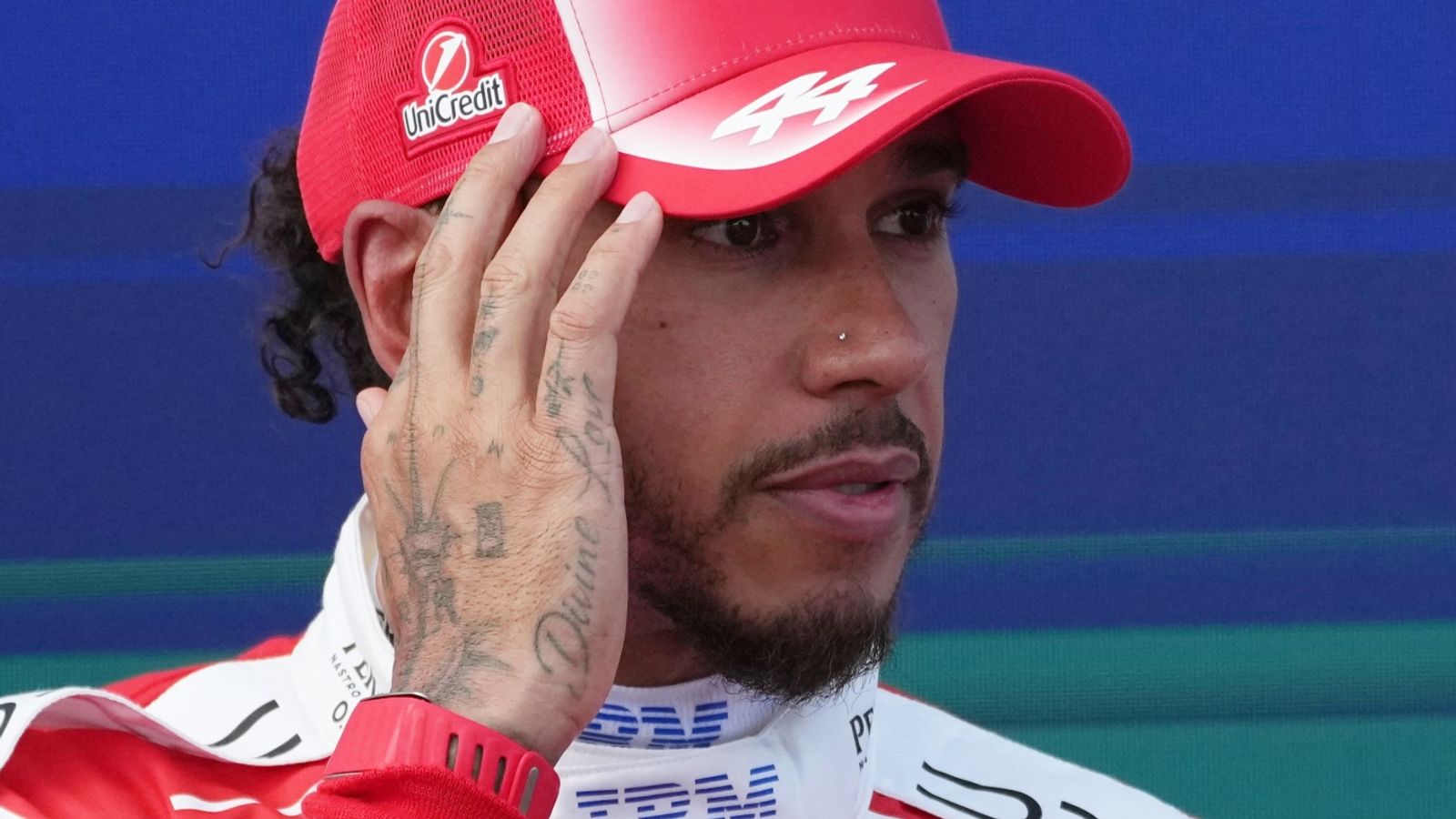
Telemetry and in-car video evidence confirmed that Hamilton was traveling at a significantly reduced speed on the racing line as Piastri approached. While Hamilton cited a late radio notification from his pit wall as the primary cause for his positioning, the stewards determined the obstruction was avoidable, resulting in a three-place grid demotion.
Impact on Sunday's Starting Order
The penalty creates a significant shift in the front-row dynamics for the race:
- Charles Leclerc (Ferrari): Promoted to second place.
- Kimi Antonelli (Mercedes): Promoted to third place.
- Oscar Piastri (McLaren): Promoted to fourth place.
- Lewis Hamilton (Ferrari): Drops to fifth place.
Ferrari team principal Frederic Vasseur accepted responsibility for the communication failure, noting that the instruction to Hamilton regarding Piastri's proximity was delivered too late to allow for evasive maneuvering.
Ongoing Regulatory Uncertainty
The grid remains subject to further change. Kimi Antonelli, currently third, is under a separate investigation for an alleged failure to adhere to yellow flag protocols following a spin by Max Verstappen at the final corner during the Q3 session. Any subsequent penalty for Antonelli would trigger further adjustments to the starting order.