Reporting note: this article draws on Sky Sports; TaxiSports provides the summary and editorial framing.
A Season of Mechanical Turbulence
George Russell has described his 2026 Formula 1 campaign as the most challenging of his career, citing a persistent string of mechanical failures that have repeatedly compromised his race weekends. The latest setback occurred at the Hungarian Grand Prix, where an engine issue forced his Mercedes into anti-stall mode at the start, dropping him to the back of the pack before a recovery drive secured a seventh-place finish.
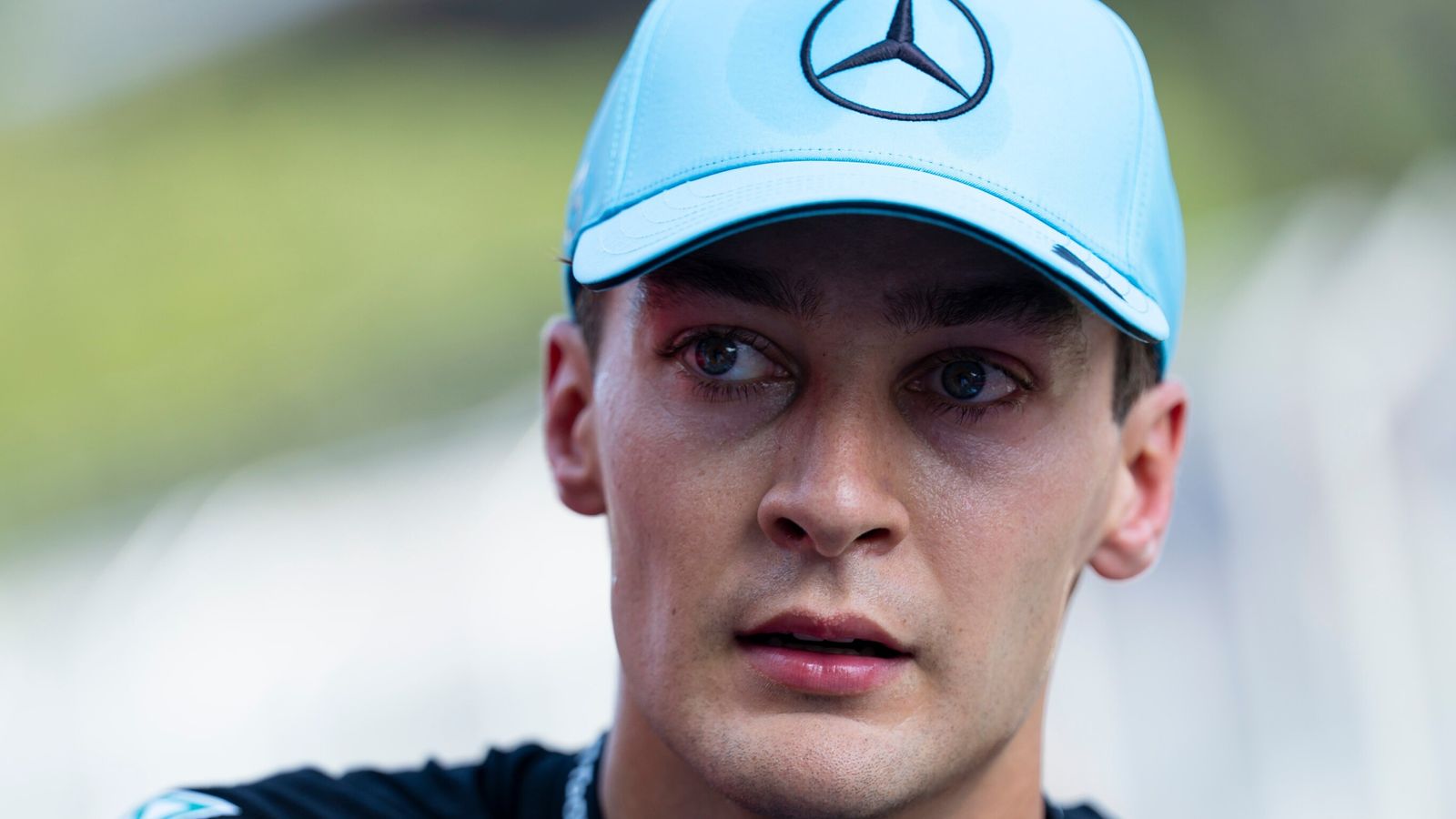
Russell described the sensation of the car's engine revving erratically while he was barely touching the throttle, a failure he categorized as yet another addition to a growing list of uncontrollable variables this season. Beyond the Hungarian start, the driver has faced a battery failure in Canada, a controversial penalty in Monaco, and a race-ending collision in Belgium, all of which have left him trailing teammate Kimi Antonelli by 59 points in the championship standings.
The Cost of Reliability
The situation is compounded by the need for a power unit change following an engine crack discovered during qualifying in Hungary. Mercedes team principal Toto Wolff acknowledged the precarious situation, noting that the team is currently evaluating when and where they might be forced to take a grid penalty to accommodate a new power unit, though he remains hopeful it can be avoided.
Despite the frustration, Russell noted that his pace in Hungary was the strongest it had been in three races. He remains focused on identifying whether any internal team processes are contributing to these recurring errors, while simultaneously attempting to maintain a positive outlook to avoid the mental fatigue of constant disappointment.
Palate Cleanser: Much like the volatile politics of a regional kitchen brigade, the current F1 paddock is a reduction of egos and high-stakes pressure. While the championship leaders navigate the heat, the mid-table teams are left to scramble for the scraps, proving that even the most refined strategy can be ruined by a single burnt component or a poorly timed service.
Recipe for a High-Tension Final Lap
Ingredients: 1 cup of cold-brew espresso (for the nerves), a pinch of sea salt (for the tears), and a stale crust of sourdough (to represent the tire degradation).
Method: Place the sourdough in a scorching pan until it chars—this is your grip fading. Sip the espresso while watching the clock tick down; the jittery palpitations are the only way to truly replicate the feeling of a failing anti-stall system on the grid. Serve cold, preferably while staring at a telemetry screen that refuses to cooperate.