Reporting note: this article draws on Sky Sports; TaxiSports provides the summary and editorial framing.
Grid Penalties Disrupt Hungarian Grand Prix Starting Order
The starting grid for the Hungarian Grand Prix has undergone a significant revision following post-qualifying penalties issued to championship leader Kimi Antonelli and Ferrari’s Lewis Hamilton. The adjustments promote Lando Norris to pole position, fundamentally altering the tactical landscape for the 70-lap race at the Hungaroring.
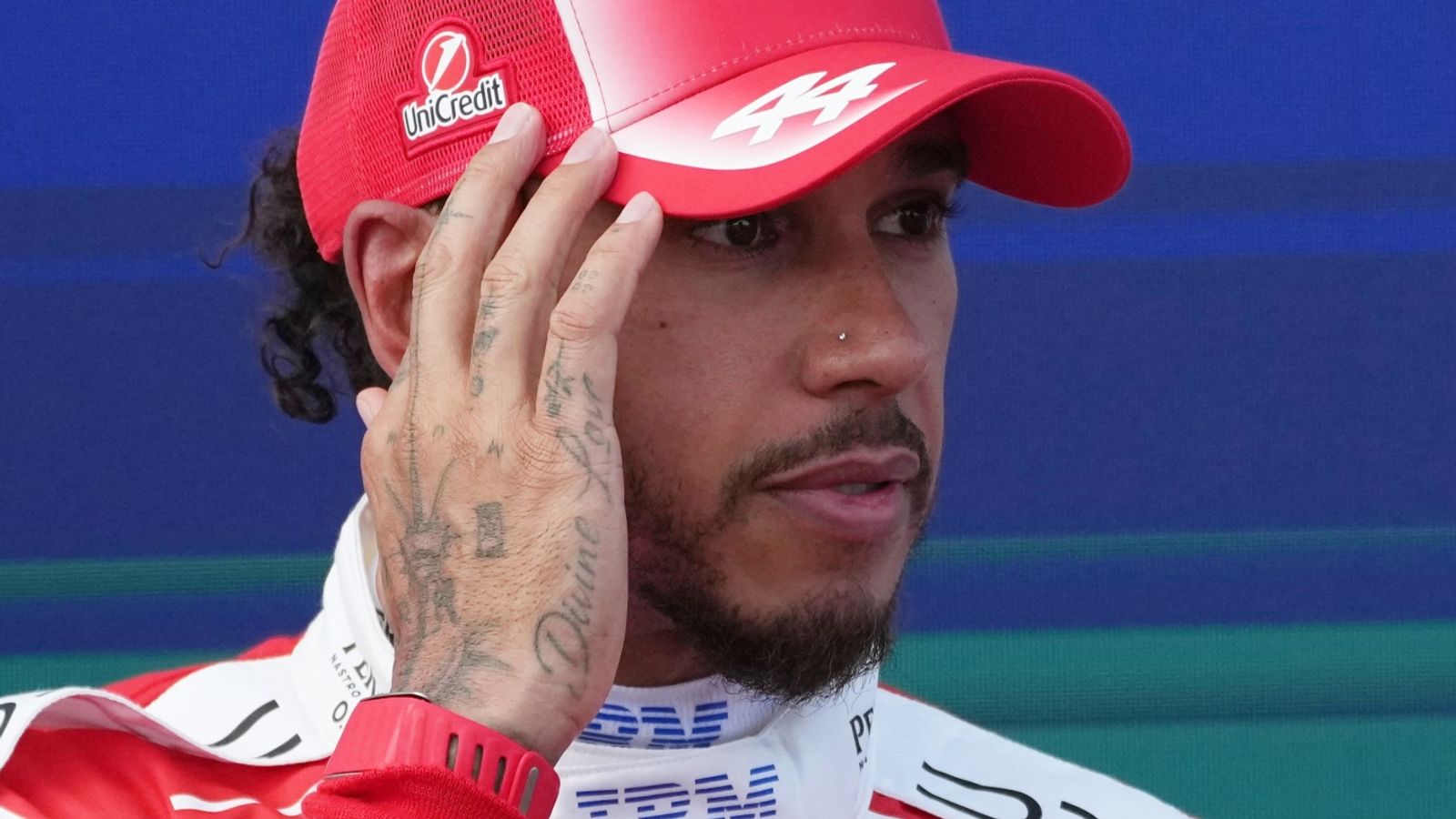
Lewis Hamilton, who originally qualified second, received a three-place grid penalty for unnecessarily impeding McLaren’s Oscar Piastri during the final moments of Q3. Stewards determined that Hamilton, traveling at a reduced speed on the racing line, obstructed Piastri’s push lap. Despite Ferrari team principal Frederic Vasseur accepting responsibility for the late radio communication, the penalty stands, dropping Hamilton to fifth on the grid.
Kimi Antonelli, currently leading the Drivers' Championship, was also handed a three-place demotion. Stewards found that the Mercedes driver failed to sufficiently reduce his speed under yellow flags triggered by a Max Verstappen spin at the final corner. While Antonelli did lift off the throttle, telemetry indicated his speed remained higher than on his previous push lap, leading to the sanction.
Revised Starting Grid Implications
The penalties have shifted the front of the field, with Charles Leclerc moving to the front row alongside pole-sitter Lando Norris. Oscar Piastri inherits third, while Max Verstappen moves up to fourth. The reshuffle leaves Hamilton in fifth, ahead of George Russell in sixth and Antonelli in seventh.
The incident highlights a critical failure in track-position management for Ferrari. By sending Hamilton out first for the final Q3 run, the team left him vulnerable to traffic and unable to improve his initial lap time. Hamilton noted that the strategy was a "shock" and admitted the potential for pole position was lost due to the team's sequencing.
What to Watch
With Antonelli holding a 45-point lead over Hamilton and a 50-point cushion over Russell, the race serves as the final outing before Formula 1’s four-week summer break. The Hungaroring’s narrow, technical layout makes the first-corner exit critical, particularly with the reshuffled order placing multiple championship contenders in close proximity.
Top 10 Starting Order:
- 1. Lando Norris (McLaren)
- 2. Charles Leclerc (Ferrari)
- 3. Oscar Piastri (McLaren)
- 4. Max Verstappen (Red Bull)
- 5. Lewis Hamilton (Ferrari)
- 6. George Russell (Mercedes)
- 7. Kimi Antonelli (Mercedes)
- 8. Isack Hadjar (Red Bull)
- 9. Arvid Lindblad (Racing Bulls)
- 10. Nico Hulkenberg (Audi)