Reporting note: this article draws on Sky Sports; TaxiSports provides the summary and editorial framing.
Execution Masks Raw Deficit at Silverstone
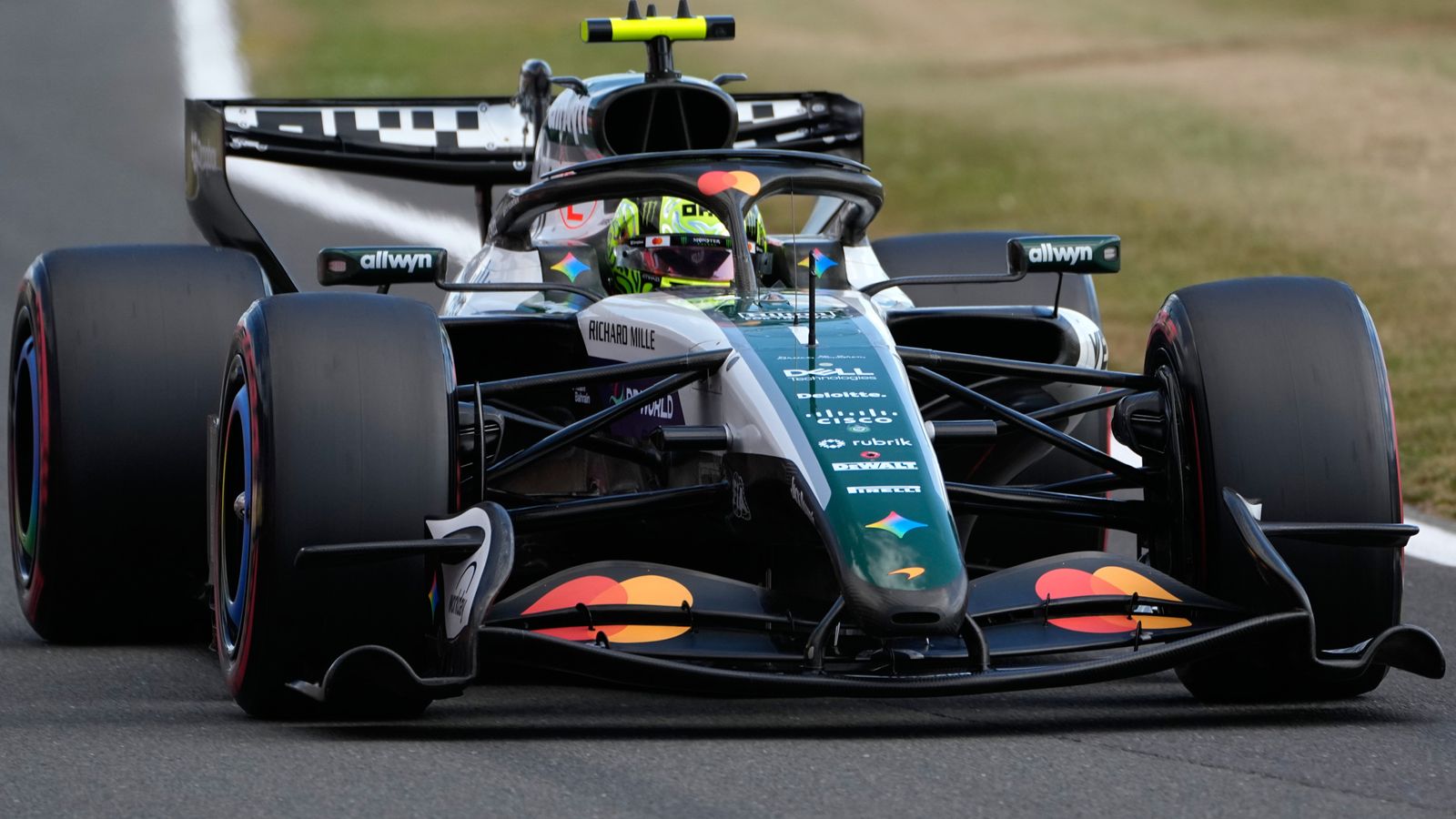
Lando Norris salvaged a third-place finish in the Sprint and fourth in Sunday’s British Grand Prix, yet the headline performance metrics reveal a substantial regression for McLaren. Twelve months after securing a dominant one-two finish at Silverstone, the MCL40 operated as the fourth-fastest package across the weekend, trailing the baseline pace of Mercedes, Ferrari, and Red Bull.
Norris capitalized on late-race mechanical and operational problems for championship leader Kimi Antonelli and Red Bull’s Max Verstappen to elevate his final classification. However, the driver was unequivocal about the chassis limitations.
"The results have been pretty amazing—I've been happy with the P3 and the P4," Norris said. "On the contrary, the pace was pretty shocking. Really not happy with the car and how it was. Makes me even happier the fact that we finished P4 but we just stayed out of trouble, we avoided mistakes, reliability was good. The car was just so difficult. We have a hell of a lot to improve."
The Championship Table and Structural Deficits
The mathematical damage in the title race is mounting. In the Constructors' Championship standings, McLaren now trail leaders Mercedes by 154 points. In the Drivers' Championship table, Norris sits 82 points adrift of Antonelli, despite the rookie leader failing to score across consecutive rounds. Oscar Piastri sits a further 15 points back after his Sunday effort was compromised on lap one, requiring an immediate pit stop for repair work following contact with Racing Bulls driver Liam Lawson before finishing 11th.
The Silverstone pit exit remains awkwardly tight for rapid turnaround operations under safety car deployments.
Stella Calculates the 0.5-Second Development Window
Team principal Andrea Stella diagnosed the shortfall not as an execution failure, but as an aerodynamic and mechanical deficit measuring roughly five-tenths of a second per lap against the outright front-runners.
"Overall, the race confirmed that our performance was in line with qualifying," Stella explained. "So we still exhibit a decent gap to Ferrari and Mercedes, probably around half a second. I think the pace with Red Bull was closer. Lando was spending a lot of time behind Hadjar, which was a bit of a shame... definitely, there's work to do and I think this is in the measure of half a second."
Stella pointed to three specific engineering variables constraining the MCL40 platform:
- Upgrade Timing: McLaren fell out of phase with rival aerodynamic iteration cycles, with competitor packages delivering roughly 0.3 seconds in floor load and balance efficiency.
- Platform Stability in Yaw: Low track grip and gusting surface wind exposed the car's aerodynamic sensitivity, forcing drivers to correct through high-speed load paths where competitors generated stable negative pressure.
- Power Delivery: Untapped deployment margins remain within the Mercedes power unit installation that need extraction.
Next Phase: Spa-Francorchamps
With Silverstone’s abrasive surface accelerating chemical decay on the compound surfaces, McLaren’s balance limitations were amplified in sustained high-energy corners. The Formula 1 paddock moves next to the high-efficiency demands of Spa-Francorchamps for the Belgian Grand Prix on July 17-19, where aerodynamic drag versus downforce distribution will test whether McLaren can close the half-second split before the summer break.