Reporting note: this article draws on Sky Sports; TaxiSports provides the summary and editorial framing.
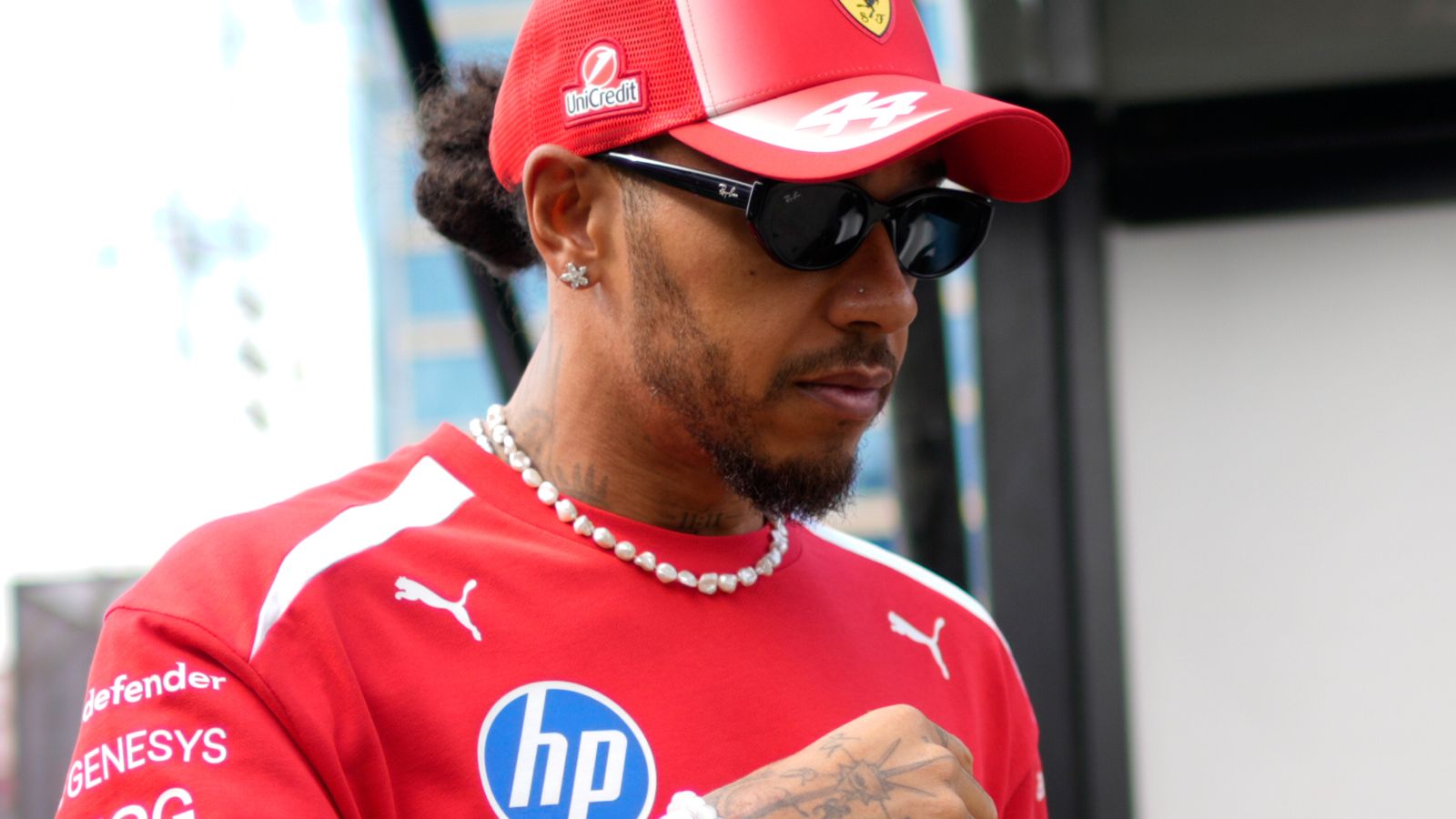
Hamilton Defends Vasseur Amid Leadership Scrutiny
Lewis Hamilton has mounted a firm defence of Ferrari team principal Frederic Vasseur, backing his leadership while suggesting that broader organizational reforms above the pit wall are required for the Scuderia to close the gap to Formula 1's frontrunners.
Hamilton's remarks, delivered ahead of the Bahrain Grand Prix at Malaysia's Sepang International Circuit, follow an unusual official briefing in which Ferrari management publicly affirmed their "full confidence" in Vasseur. The vote of confidence came amid swirling paddock speculation after a five-race podium drought.
"I think it's good that they did it," Hamilton said. "In terms of how it unifies the team, I think we were already unified. Honestly outside sources seem to be so negative towards us as a team and be trying to break our spirit but they are not succeeding. Fred is the guy to lead us. He's doing a fantastic job... ultimately it's not a one-man situation. There's people above that are also a part of it as well."
The Weight of Architecture and Straight-Line Deficits
Vasseur, currently in his fourth season leading Maranello after replacing Mattia Binotto in 2023, oversees the sporting operation as team principal and general manager, reporting to chief executive Benedetto Vigna and executive chairman John Elkann. When asked about comparisons to his former Mercedes outfit—where Toto Wolff serves as team principal, chief executive, and one-third equity co-owner—Hamilton highlighted the structural disparity.
"There are changes that I would make but I'm not going to talk about what those are," Hamilton explained. "Toto's in a different position to Fred. The structures are a lot different. That's all I can say on it really."
Beyond management load-bearing structures, Hamilton outlined the physical performance limitation currently constraining the car on track: straight-line engine deficit.
"The deficit we have is simply just on engine, and that's something we don't shy away from," Hamilton said. "Every weekend we carry a 0.4s deficit, if not sometimes 0.6s, just in straight-line power, and we're aware of it, and that's something we need to try to work on. They're working extremely hard to try and fix that for next year."
What Comes Next
Ferrari enter the Sepang race weekend seeking to arrest their recent run without silverware. While work continues back in Maranello to overhaul engine performance and refine the floor aerodynamics for next season, Hamilton reiterated his commitment to collaborating with current senior leadership to implement long-term structural changes.

Quinn Santos
Quinn Santos covers Formula 1 with a reverent, forensic attention to the physical and acoustic life of the race. In reports, engine notes are not background noise but specific orchestral intervals moving through the grid, and every race devotes space to the degraded texture of tire compounds after a stint, read like worn material rather than performance data. Chassis geometry and floor aerodynamics are explained through architectural metaphor: load paths become load-bearing walls, floors become tensioned skins. Quinn avoids standard telemetry charts, instead reconstructing key overtakes through rhythmic, beat-heavy sentence structures that carry braking points and exits like percussion. A reader gets the feeling of the circuit as a built and sounding environment, not a sequence of lap times. Each race recap closes with an unprompted weather report comparing trackside humidity to the driver's sweat output, a small forensic reminder of how much the body and the air are part of the result.