Reporting note: this article draws on Sky Sports; TaxiSports provides the summary and editorial framing.
A Grid Dilemma That Unraveled at the Lights
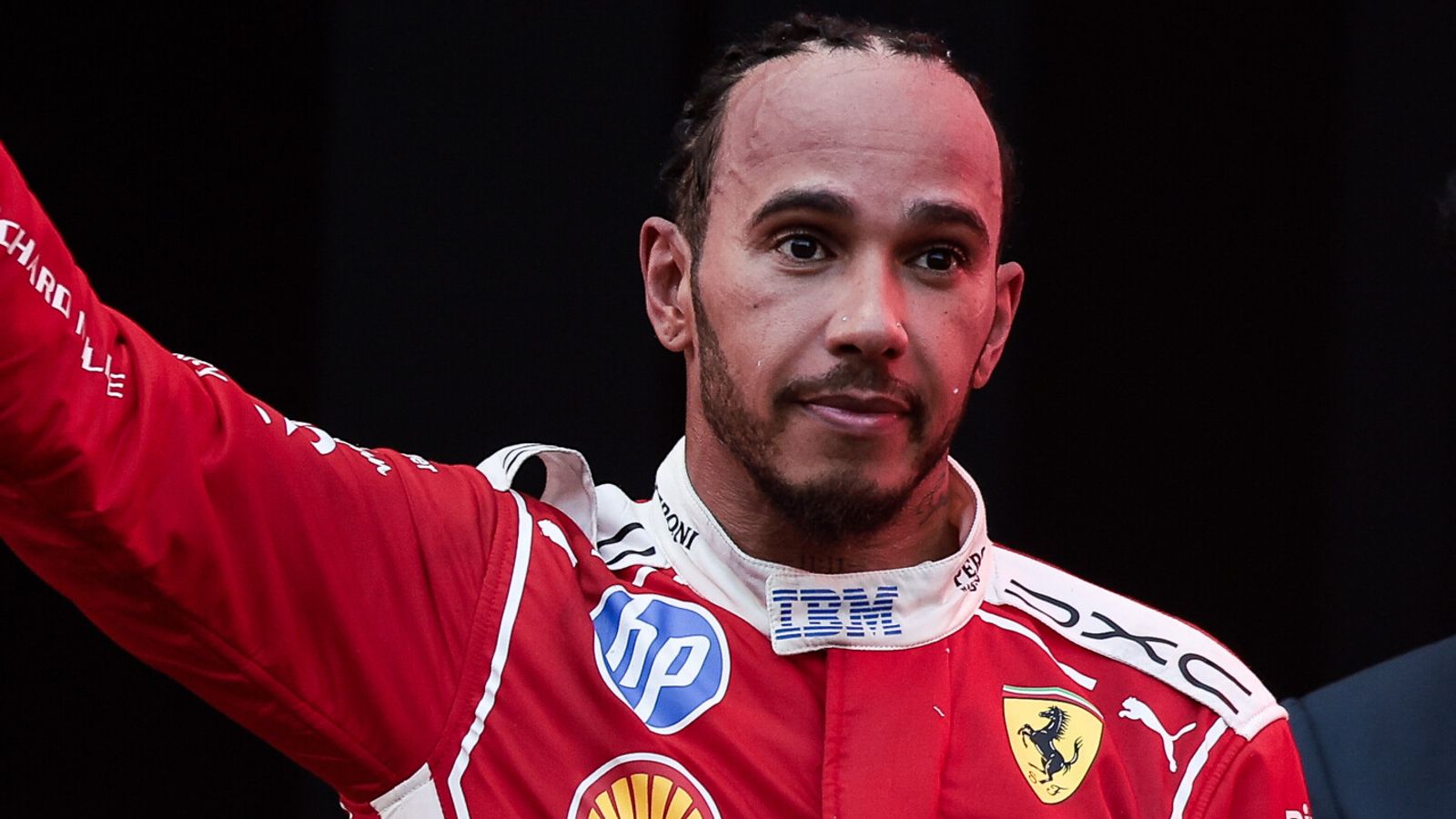
Lewis Hamilton has detailed the intense pit-lane discussions that preceded Ferrari's high-risk gamble to start on slick tyres at a rain-soaked Sepang International Circuit, a call that dropped him from the front row to 18th before a defiant recovery drive secured a third-place podium.
Starting second on the grid for the Bahrain Grand Prix—relocated to Malaysia—Hamilton and teammate Charles Leclerc were fitted with soft compound slicks, while pole-sitter and eventual race winner Max Verstappen led a group of 14 drivers starting on intermediate rubber. As the opening laps exposed standing water across the asphalt, the slick runners shed over a minute to the leaders, dismantling Ferrari's immediate victory ambitions.
“There was such a long wait and we were debating on what tyre to go on to,” Hamilton explained. “I said, 'Look, there was a lot of spray on the laps to the grid.' I went into the pit lane, I looked at the ground, I was like, 'It's still wet.' And they're like, 'Yeah, but because it's been so long, it's definitely going to dry up real quick.' When we were at the end of the pit lane and these two took off their blankets and they're on inters, my heart sank.”
Refusing the Lap 5 Pit Call
Ferrari attempted to limit the damage on lap five by instructing Hamilton to pit for intermediates. Recognizing that the time lost had already eclipsed the window for a conventional strategy pivot, Hamilton overrode the pit wall, insisting they commit to the drying track.
Hamilton's decision crystallized when a Safety Car intervention—triggered by Valtteri Bottas spinning his Cadillac into the gravel—compressed the pack. Once the racing line cleared of standing water, the mechanical grip of the dry rubber compound began working within its operating window, allowing Hamilton to carve through the midfield with rapid, decisive passes on corner exits.
“We just had to stick with it,” Hamilton said. “We made the decision and had to live with it. What's the difference between another 26 seconds and one minute 40 down? Once it dried, the car felt great. But yeah, not going to go to the casino with those guys.”
Ferrari Salvages P3 and P4
Despite the opening stint turmoil, Ferrari converted the afternoon into a heavy points haul. While Hamilton secured third, Leclerc recovered to fourth despite suffering front-wing damage on the opening lap that forced an early stop for intermediates.
Bahrain GP at Sepang Key Outcomes
- Max Verstappen (Red Bull): Converted pole position to victory on intermediate tyres.
- Kimi Antonelli (Mercedes): Claimed second place, bolstering his Drivers' Championship advantage.
- Lewis Hamilton (Ferrari): Recovered from 18th to finish third after overriding a lap 5 stop call.
- Charles Leclerc (Ferrari): Recovered from lap-one contact and an early stop to take fourth.
Ferrari team principal Frederic Vasseur acknowledged the misjudgment from the pit lane while defending the team's ultimate recovery: “From the pit lane you don't have the global picture of the track, and it's not easy to understand what is the exact situation, but, for sure, we were on the wrong side. To come back from this position to finish P3, P4, it's a strong result for the team.”
What Comes Next
Formula 1 transitions immediately from Sepang to the Marina Bay Street Circuit for the Singapore Grand Prix, which hosts the final Sprint weekend of the 2026 campaign.

Quinn Santos
Quinn Santos covers Formula 1 with a reverent, forensic attention to the physical and acoustic life of the race. In reports, engine notes are not background noise but specific orchestral intervals moving through the grid, and every race devotes space to the degraded texture of tire compounds after a stint, read like worn material rather than performance data. Chassis geometry and floor aerodynamics are explained through architectural metaphor: load paths become load-bearing walls, floors become tensioned skins. Quinn avoids standard telemetry charts, instead reconstructing key overtakes through rhythmic, beat-heavy sentence structures that carry braking points and exits like percussion. A reader gets the feeling of the circuit as a built and sounding environment, not a sequence of lap times. Each race recap closes with an unprompted weather report comparing trackside humidity to the driver's sweat output, a small forensic reminder of how much the body and the air are part of the result.