Reporting note: this article draws on Sky Sports; TaxiSports provides the summary and editorial framing.
Engine Deficit Caps Ferrari’s Title Ambitions
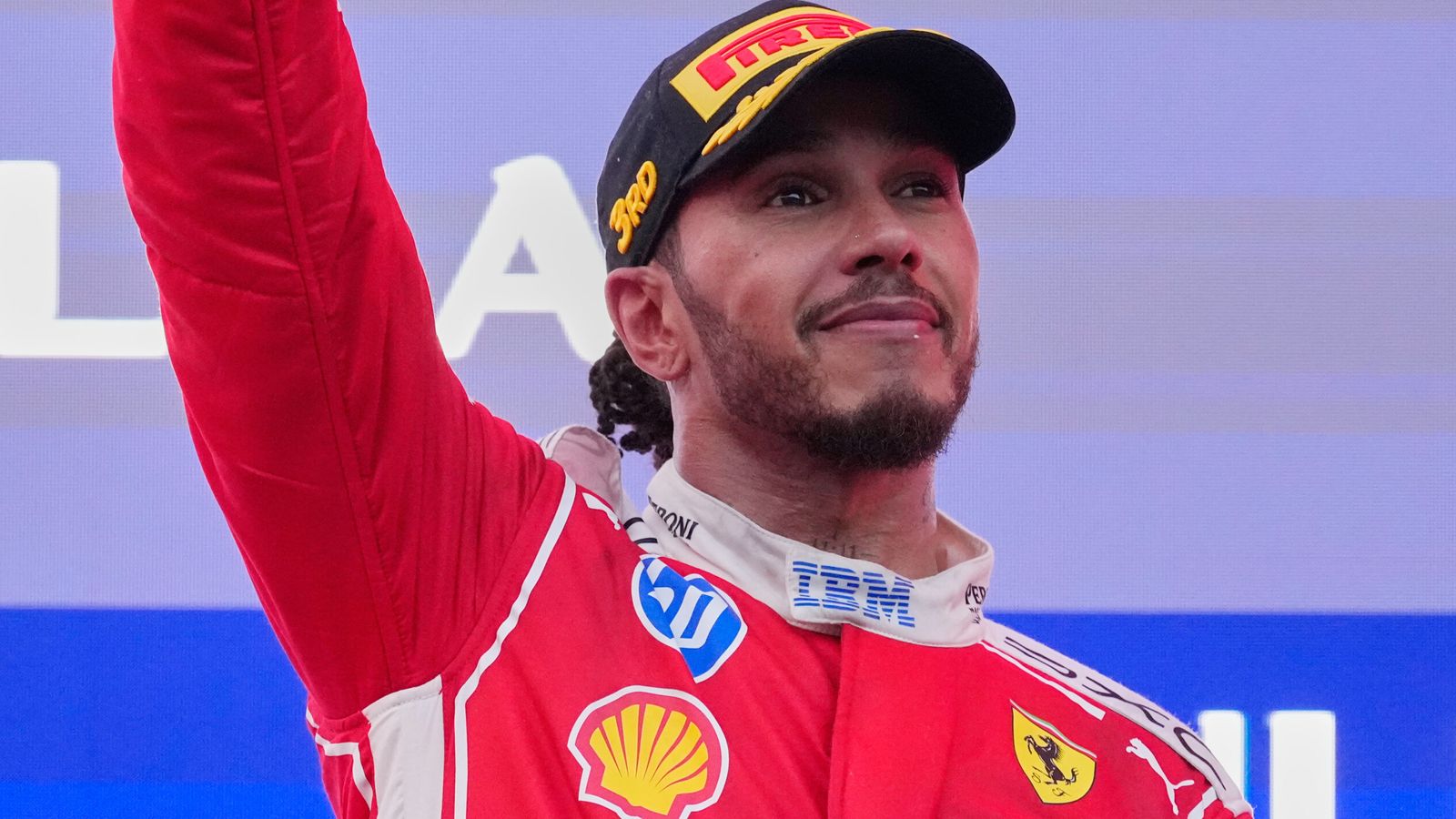
Lewis Hamilton has warned that Ferrari must close a clear power unit deficit to its rivals if the team intends to mount a genuine world championship bid in 2027. Despite snapping a six-race podium drought with a third-place finish in Malaysia, the 41-year-old sits more than 100 points behind Mercedes driver Kimi Antonelli in the 2026 drivers' championship.
Hamilton’s first win for the Scuderia at Barcelona in June teased a potential title fight, but a post-summer dip exposed Ferrari's straight-line shortfall. While the SF-26 has proven nimble through technical complexes, the engine simply lacks the top-end punch of the Mercedes powertrain.
"I think fundamentally we’ve got a great car, and that’s down to an amazing group of people back at the factory," Hamilton told Sky Sports F1. "As I’ve said before, we have been innovators this year. It’s just that we know we’re down on power, and that’s something that we just live with. We have to catch up for next year."
Strategic Stumbles Masking Underlying Pace
Hamilton’s third-place finish at the Bahrain Grand Prix in Malaysia showed encouraging raw speed, yet the result was tempered by an unforced error on the pit wall. Ferrari opted to roll out on slick tyres on a damp surface, flash-frying their opening stint before the rubber could even find a working temperature window. The gamble dumped Hamilton down the order, forcing a relentless recovery drive that cost him any shot at challenging Red Bull’s Max Verstappen for the race win.
Ferrari still secured solid points with Charles Leclerc trailing Hamilton home in fourth, but the initial miscalculation underlined how razor-thin the margins are when operating with an engine handicap. Against superior straight-line machinery, Ferrari cannot afford self-inflicted strategic wounds.
Paddock Politics: A Palate Cleanser
Off-track, Ferrari’s political landscape has resembled the chaotic tension of a Michelin-starred kitchen during service. Rumours connecting former Red Bull principal Christian Horner to Frederic Vasseur's seat generated plenty of speculative heat, but Ferrari's top brass issued swift backing for Vasseur ahead of Malaysia. The Scuderia's management dynamic functions like a delicate reduction sauce: let it simmer with discipline and the flavors harmonize, but apply unnecessary external friction and the entire mixture risks curdling.
What Comes Next
With seven rounds remaining in 2026, Formula 1 shifts directly to the Marina Bay Street Circuit for the first Singapore Grand Prix Sprint weekend. The tight, abrasive street layout reduces straight-line vulnerability and places a premium on mechanical grip and traction. For Hamilton, Singapore offers a concrete opportunity to turn chassis efficiency into race victories before the long winter rebuild begins.