Reporting note: this article draws on Sky Sports; TaxiSports provides the summary and editorial framing.
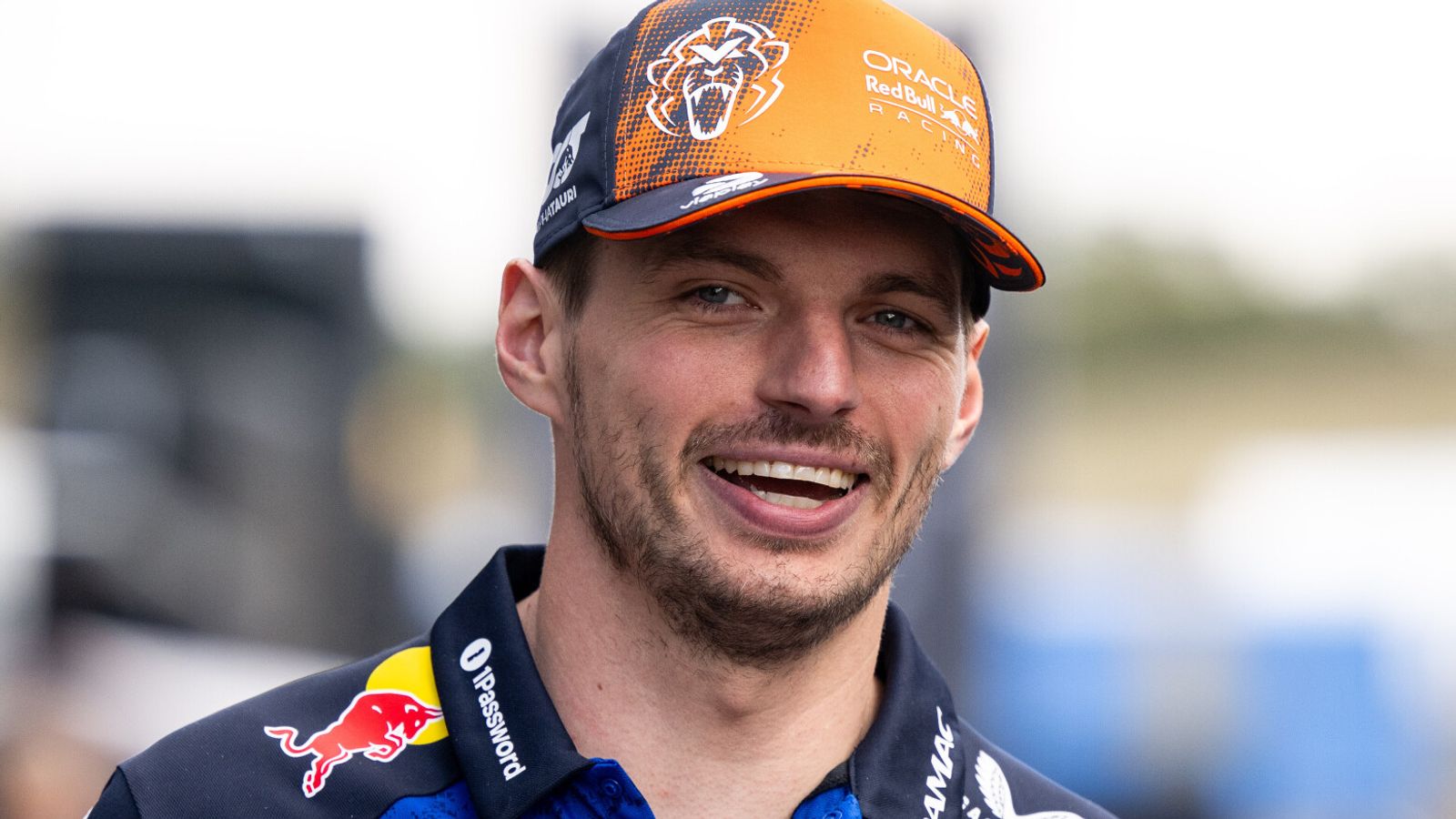
Long-Term Commitment at Red Bull
Max Verstappen has signed a new long-term contract extension with Red Bull Racing, securing his seat with the team until at least the end of the 2030 Formula 1 season. The deal puts an immediate end to months of paddock speculation regarding the reigning multi-time champion's future.
Verstappen’s previous agreement had been set to expire at the end of 2028. However, reports indicated that his management team engaged in discussions earlier this year with McLaren regarding a potential move for 2027. By adding at least two more seasons to his tenure, Red Bull solidifies its technical and competitive foundation for the long term.
Stability Ahead of the Dutch Grand Prix
The announcement arrives just as the Formula 1 paddock reconvenes following the summer break for the Dutch Grand Prix at Circuit Zandvoort. The event features a Sprint format, beginning with Practice and Sprint Qualifying on Friday.
The long-term extension provides crucial stability for Red Bull as they navigate a demanding second half of the season. With driver market uncertainties resolved, Verstappen heads into his home race weekend firmly anchored at Milton Keynes for the remainder of the decade.

Quinn Santos
Quinn Santos covers Formula 1 with a reverent, forensic attention to the physical and acoustic life of the race. In reports, engine notes are not background noise but specific orchestral intervals moving through the grid, and every race devotes space to the degraded texture of tire compounds after a stint, read like worn material rather than performance data. Chassis geometry and floor aerodynamics are explained through architectural metaphor: load paths become load-bearing walls, floors become tensioned skins. Quinn avoids standard telemetry charts, instead reconstructing key overtakes through rhythmic, beat-heavy sentence structures that carry braking points and exits like percussion. A reader gets the feeling of the circuit as a built and sounding environment, not a sequence of lap times. Each race recap closes with an unprompted weather report comparing trackside humidity to the driver's sweat output, a small forensic reminder of how much the body and the air are part of the result.