Reporting note: this article draws on Sky Sports; TaxiSports provides the summary and editorial framing.
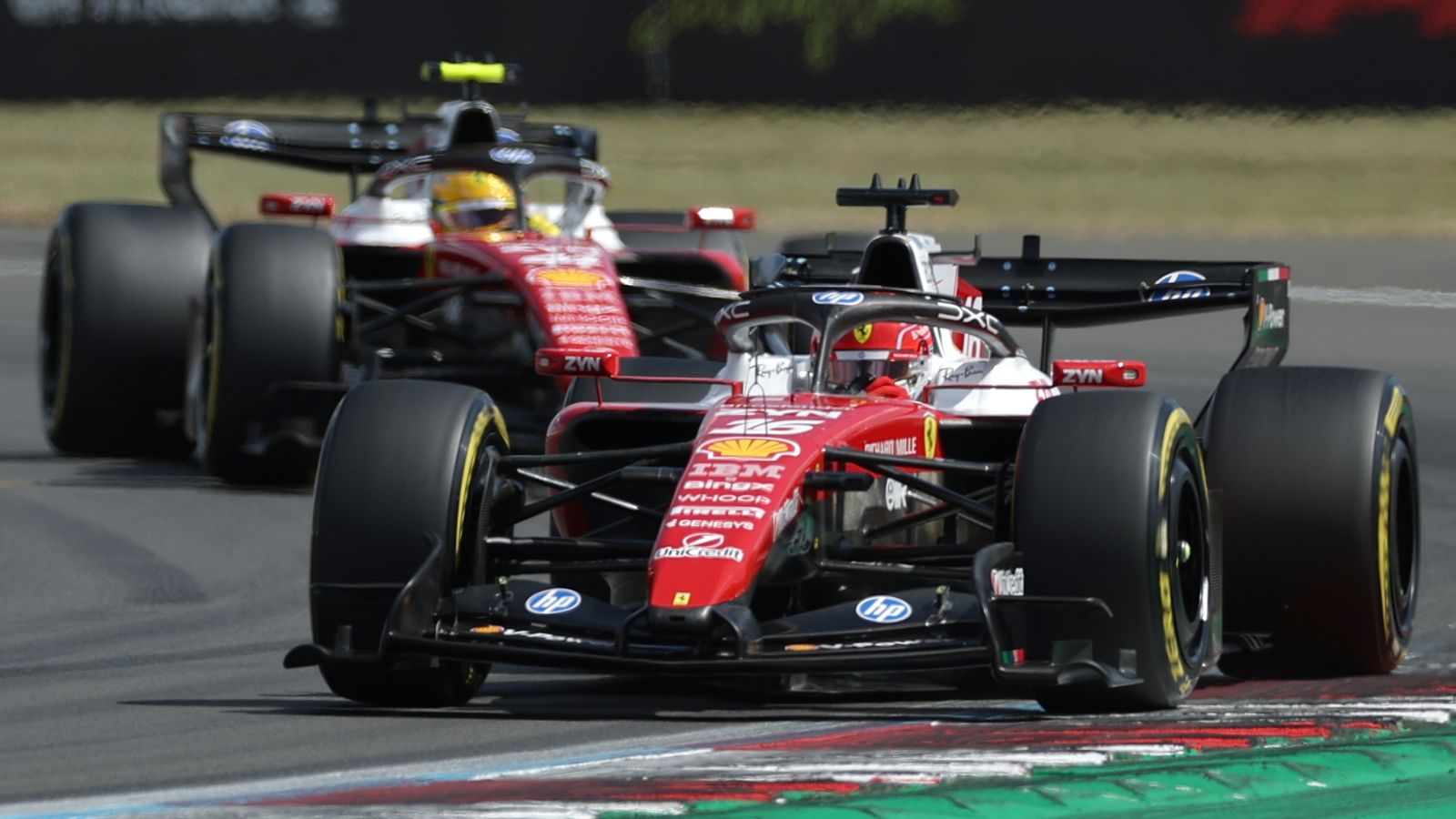
Operational precision and power unit development remain the focus for Ferrari
Ferrari Team Principal Frederic Vasseur has identified specific development trajectories for the second half of the 2026 Formula 1 season as Lewis Hamilton attempts to bridge a 50-point deficit to championship leader Kimi Antonelli (Mercedes). While Ferrari remains in contention for the constructors' title—trailing Mercedes by 72 points—Vasseur admits the team must refine its operational execution and power unit performance to sustain the challenge.
The Hungarian Grand Prix served as a catalyst for Vasseur’s critique, where a series of errors relegated Hamilton to fifth despite the car’s podium-capable pace. Vasseur noted that while Ferrari’s execution has been generally robust throughout the first 11 rounds, the margin for error has vanished as the championship enters its final 12-race stretch.
Chassis philosophy vs. engine inertia
Technical analysis suggests Ferrari currently possesses one of the most efficient chassis on the grid, though the team acknowledges a performance gap in power unit output compared to their rivals. Vasseur highlighted the inherent difficulty in engine development, noting that the "inertia on the engine is much higher than on the chassis."
The team’s development strategy differs significantly from McLaren’s approach. While McLaren has opted for large, infrequent upgrade packages that yield substantial performance jumps, Ferrari continues to introduce smaller, incremental updates at every race. Vasseur remains committed to this iterative philosophy, emphasizing that maintaining the current pace of development is essential to keeping Hamilton in the title fight.
The 2026 season resumes following the summer break at the Dutch Grand Prix, scheduled for August 21-23.