Reporting note: this article draws on Sky Sports; TaxiSports provides the summary and editorial framing.
The Contractual Floor Closes
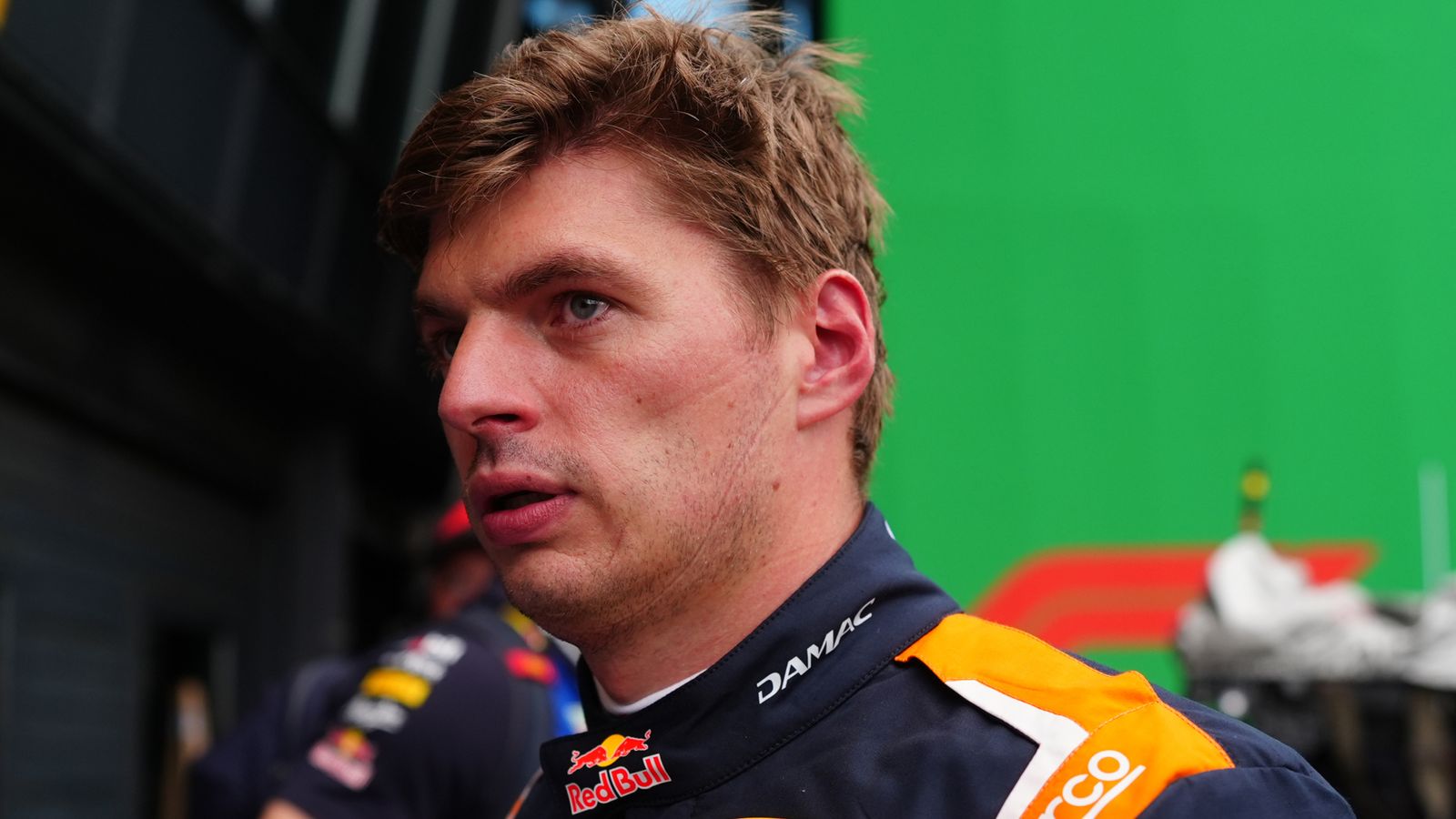
Max Verstappen's formal commitment to Red Bull Racing through 2030 has resolved one of the primary structural variables across the Formula 1 grid. The four-time world champion held exit clauses inside his previous agreement that would have activated for the 2027 season, inviting sustained interest from both Mercedes and McLaren. The new extension eliminates that leverage point, cementing Verstappen to Milton Keynes and abruptly closing the driver market's most significant vacancy corridor.
Mercedes team principal Toto Wolff dismissed any suggestion that missing out on the Dutchman compromised Brackley's long-term trajectory. Speaking at the Dutch Grand Prix in Zandvoort, Wolff indicated that Mercedes' current operational clarity made Verstappen's renewal a logical outcome rather than a strategic loss.
"Most important was that we had the clarity in the team since a long time," Wolff said. "We're committed to George and Kimi, and in a way, that was just a logical consequence what happened now. Silly season is officially cancelled now, and everybody can concentrate on the racing."
The Internal Equation: Antonelli's Championship Leverage
Wolff's pivot away from Verstappen reflects the current arithmetic at the top of the Drivers' Championship table. Kimi Antonelli and George Russell currently occupy first and second positions in the standings following the Zandvoort weekend. The 20-year-old Italian rookie has built a 59-point buffer over his teammate, driven by a mid-season run of five consecutive grand prix victories that reshaped the internal hierarchy within the Mercedes garage.
The pit-lane exit line offers no margin for hesitation when telemetry dictates parity.
Antonelli's performance baseline removed the structural necessity of pursuing an external marquee signing. While Wolff had mounted a conspicuous pursuit of Verstappen following Lewis Hamilton's decision to depart for Ferrari, the current chassis package and driver yield have stabilized Mercedes without requiring an expensive contract restructuring.
Paddock Alternatives and Market Dynamics
With McLaren equally fixed on reigning world champion Lando Norris and Oscar Piastri—a pairing that delivered successive Constructors' Championships to Woking—Verstappen's realistic alternatives narrowed considerably. Former world champion Nico Rosberg noted that the extension reinforced Red Bull's need for stability at a substantial financial baseline.
Rosberg estimated the commitment to range between £70 million and £90 million annually, suggesting that alternative discussions served primarily to optimize Verstappen's negotiating leverage with Red Bull management rather than signal an imminent departure.
What to Watch Next
The championship now transitions to the high-speed load profiles of Monza for the Italian Grand Prix on September 4-6. Mercedes arrives managing internal intra-team dynamics as Antonelli defends his 59-point advantage over Russell, while Red Bull operates under absolute contractual certainty around their lead driver.