Reporting note: this article draws on Sky Sports; TaxiSports provides the summary and editorial framing.
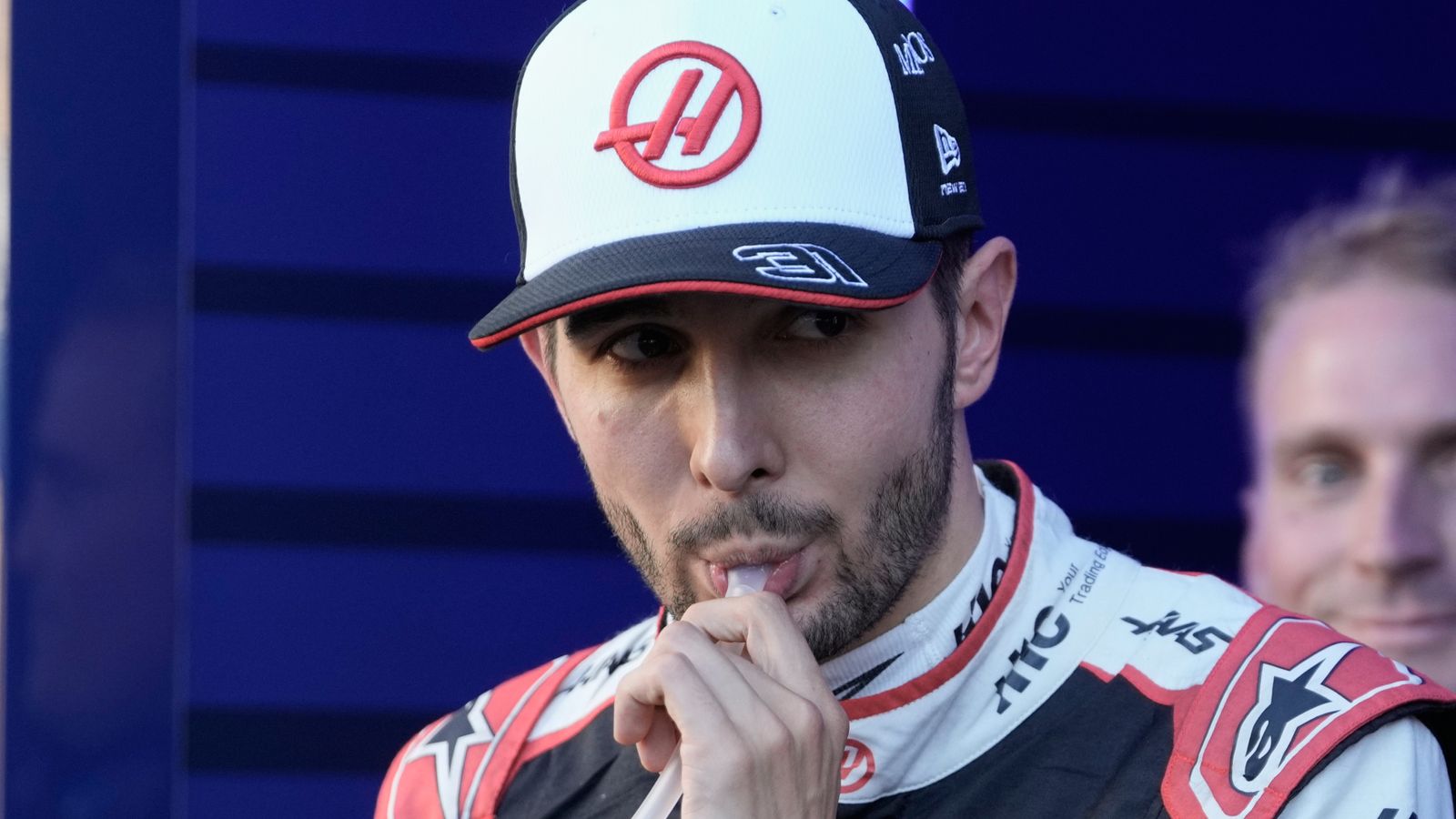
Ocon and Haas Announce Departure
Esteban Ocon will depart Haas at the end of the 2026 Formula 1 season, bringing a two-year partnership with the American-owned outfit to a close. Both the French driver and the team confirmed the decision ahead of upcoming rounds in the championship calendar.
Ocon joined Haas for the 2025 campaign following his exit from Alpine, stepping into the team as part of a restructured driver line-up. His departure at the end of 2026 concludes a two-season tenure with the Banbury- and Kannapolis-based squad.
Implications for the 2027 Driver Market
The announcement injects fresh movement into the driver market ahead of the 2027 season:
- Ocon's Future: Following the confirmation, Ocon currently faces an uncertain outlook for a 2027 race seat as options across the grid begin to take shape.
- Haas Vacancy: Haas will now assess candidates to fill the vacated cockpit for 2027, opening up a competitive seat in the midfield.
Ocon will complete the remainder of the 2026 campaign with Haas before officially parting ways with the team at the conclusion of the season.

Quinn Santos
Quinn Santos covers Formula 1 with a reverent, forensic attention to the physical and acoustic life of the race. In reports, engine notes are not background noise but specific orchestral intervals moving through the grid, and every race devotes space to the degraded texture of tire compounds after a stint, read like worn material rather than performance data. Chassis geometry and floor aerodynamics are explained through architectural metaphor: load paths become load-bearing walls, floors become tensioned skins. Quinn avoids standard telemetry charts, instead reconstructing key overtakes through rhythmic, beat-heavy sentence structures that carry braking points and exits like percussion. A reader gets the feeling of the circuit as a built and sounding environment, not a sequence of lap times. Each race recap closes with an unprompted weather report comparing trackside humidity to the driver's sweat output, a small forensic reminder of how much the body and the air are part of the result.