Reporting note: this article draws on Sky Sports; TaxiSports provides the summary and editorial framing.
F1 Evaluates Sepang as Replacement Venue
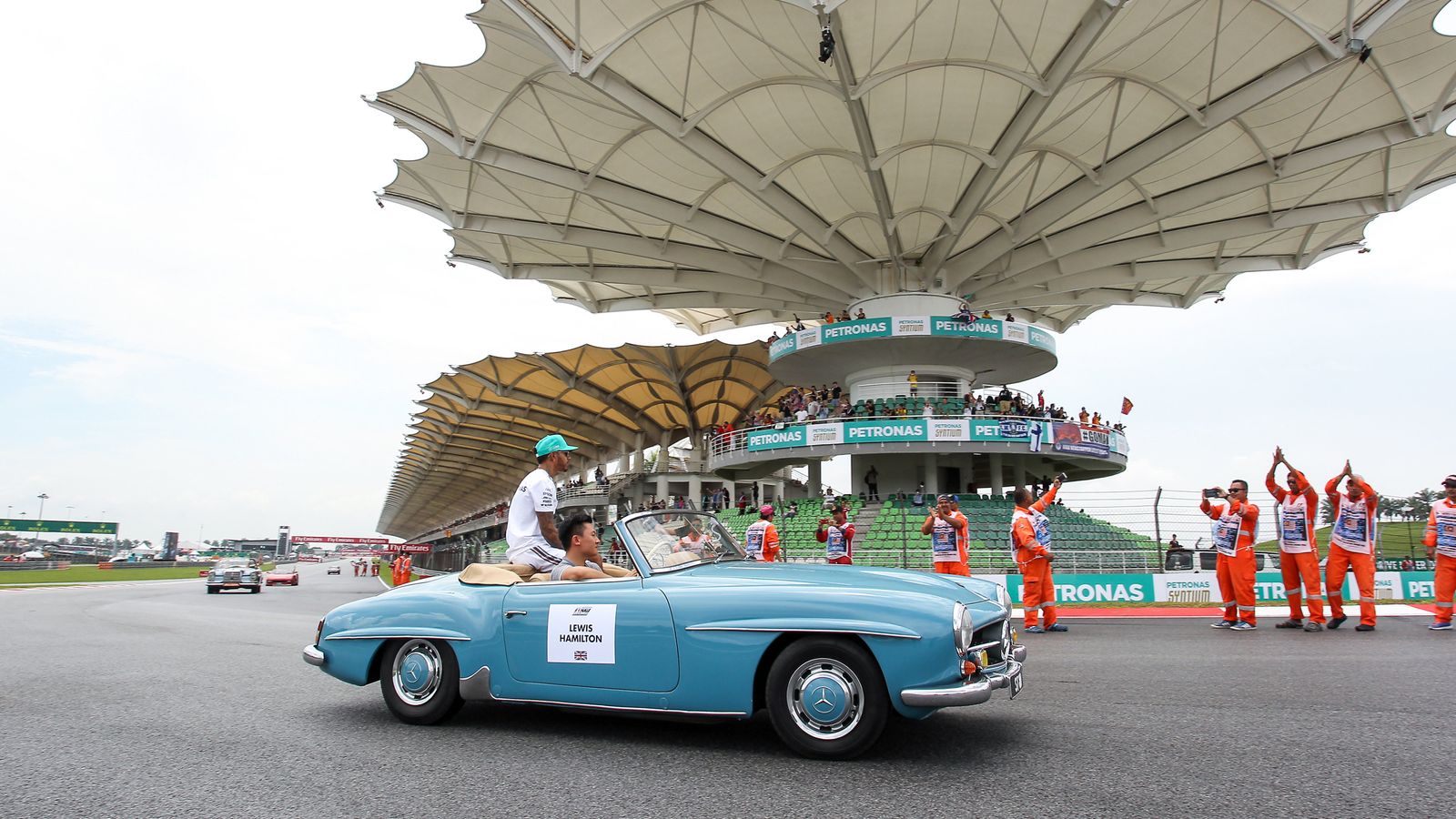
Formula 1 is currently in negotiations with organizers at the Sepang International Circuit to potentially reinstate the Malaysian Grand Prix to the 2026 calendar. The move is being considered as a contingency measure to fill gaps created by the cancellation of earlier rounds, specifically as the sport navigates regional instability in the Middle East.
Current scheduling discussions focus on an October 4 date, positioning the race between the Azerbaijan Grand Prix (September 26) and the Singapore Grand Prix (October 11). This geographic alignment offers a logistical bridge, though F1 continues to monitor the viability of the season's final rounds in Qatar and Abu Dhabi.
Operational Constraints and Calendar Stability
The potential return to Malaysia—which last hosted a Grand Prix in 2017—is driven by the need to maintain a robust race count. Should the Middle Eastern legs of the calendar face further disruption, F1 has identified European alternatives, including Portimão (Portugal) and Istanbul (Turkey), though these venues present significant thermal management challenges due to late-season ambient temperatures.
From a technical perspective, the Sepang circuit remains a high-load environment. The track's abrasive surface and high-speed cornering profiles demand aggressive downforce configurations, often leading to rapid chemical decay of tire compounds. For teams, the heat and humidity represent a significant friction-management crisis, requiring precise cooling duct architecture to prevent power unit de-rating.
Driver Perspective on Schedule Density
George Russell, currently third in the Drivers' Championship, has publicly supported the expansion of the calendar to compensate for earlier cancellations. Russell emphasized a desire for a full 24-race schedule, noting that the competitive intensity remains constant regardless of the specific venue or the current points gap to his teammate, Kimi Antonelli.
As F1 management assesses these options, the primary objective remains the mitigation of time-loss associated with logistical gaps. The paddock continues to cross-reference these potential calendar shifts against the existing championship standings, where every race weekend serves as a critical data point in the ongoing development race.