Reporting note: this article draws on Sky Sports; TaxiSports provides the summary and editorial framing.
Inaugural Spanish GP Sparks Calls for Track Redesign
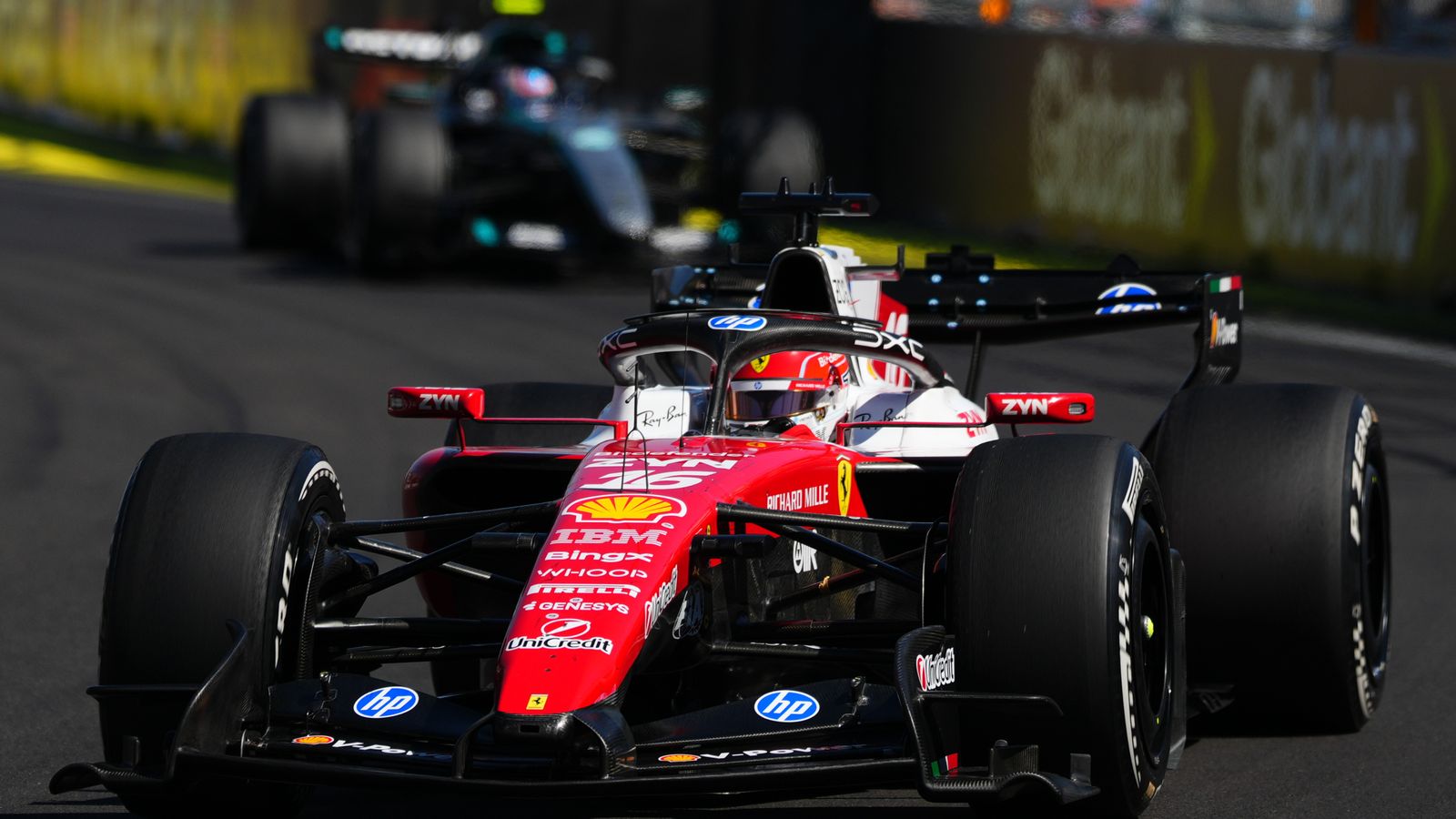
The inaugural Spanish Grand Prix around the semi-permanent, wall-lined Madring circuit delivered high-stakes single-lap tension on Saturday, but the Sunday race laid bare a glaring operational flaw: a lack of viable overtaking zones. Despite hosting a sold-out crowd of 352,618 spectators around Madrid’s IFEMA exhibition centre, drivers and team principals were unanimous in demanding layout alterations before Formula 1 returns in 2027.
Extracting a qualifying lap around the 3.36-mile layout felt like reducing a delicate emulsion over high heat—a knife-edge exercise in precision where clipping concrete walls by millimetres rewarded sheer commitment. Yet on race day, the circuit offered drivers no room to bite. Cars settled into procession, leaving drivers battling aerodynamic turbulence rather than fighting for track position.
Norris and Drivers Target Problematic Corners
McLaren’s Lando Norris, who secured the circuit's first pole position before losing the race lead under an untimely Virtual Safety Car, was blunt about where the track design fails racing physics. Norris pointed directly to the slow-speed complexes that force drivers into single-file bottlenecks.
“They should get rid of [Turns] 18, 19. Useless. Just have more of a straight into a hairpin,” Norris said. “It’s great in qualifying, but straight line from 17 straight to 20, have a much wider entry like Austin Turn 1 or Turn 10 in Austin, big hairpin. You’ll create much better opportunities for everyone.”
Race winner Kimi Antonelli echoed the critique, noting that once trapped in dirty air, a faster car had no geometric advantage to attempt a move. Red Bull’s Max Verstappen was equally direct, dismissing claims that urban constraints prevent better overtaking zones and arguing that driver input should be central to future layout revisions.
Team Bosses and FIA Open to Revisions
Mercedes team principal Toto Wolff confirmed that discussions between circuit organisers and the FIA are already underway. While praising the event's paddock infrastructure and atmosphere—likening the challenge to a modern mini-Macau—Wolff acknowledged that creating authentic passing points is the top priority for year two.
Red Bull team principal Laurent Mekies described the venue as exceptional for engineering and driver commitment, but reiterated that the shortfall in wheel-to-wheel opportunities is the primary area that must be rectified.
A Paddock Palate Cleanser
The paddock’s current political landscape increasingly resembles a high-end Basque tasting menu: every team principal wants credit for the theatre and presentation, but nobody wants to swallow the bitter bite of a compromised Sunday product. Track promoters sell spectacle and hospitality footprints, but when mechanical grip sears away behind dirty air and genuine passing vanishes, the sport is forced to remember that a shiny venue cannot mask an unraceable course.
What to Watch Next
Formula 1 moves from Madrid’s concrete walls straight into the high-speed slipstreaming corridors of the Baku City Circuit for the Azerbaijan Grand Prix, running from September 24–26 with a Saturday race format that guarantees a vastly different overtaking dynamic.