Reporting note: this article draws on Sky Sports; TaxiSports provides the summary and editorial framing.
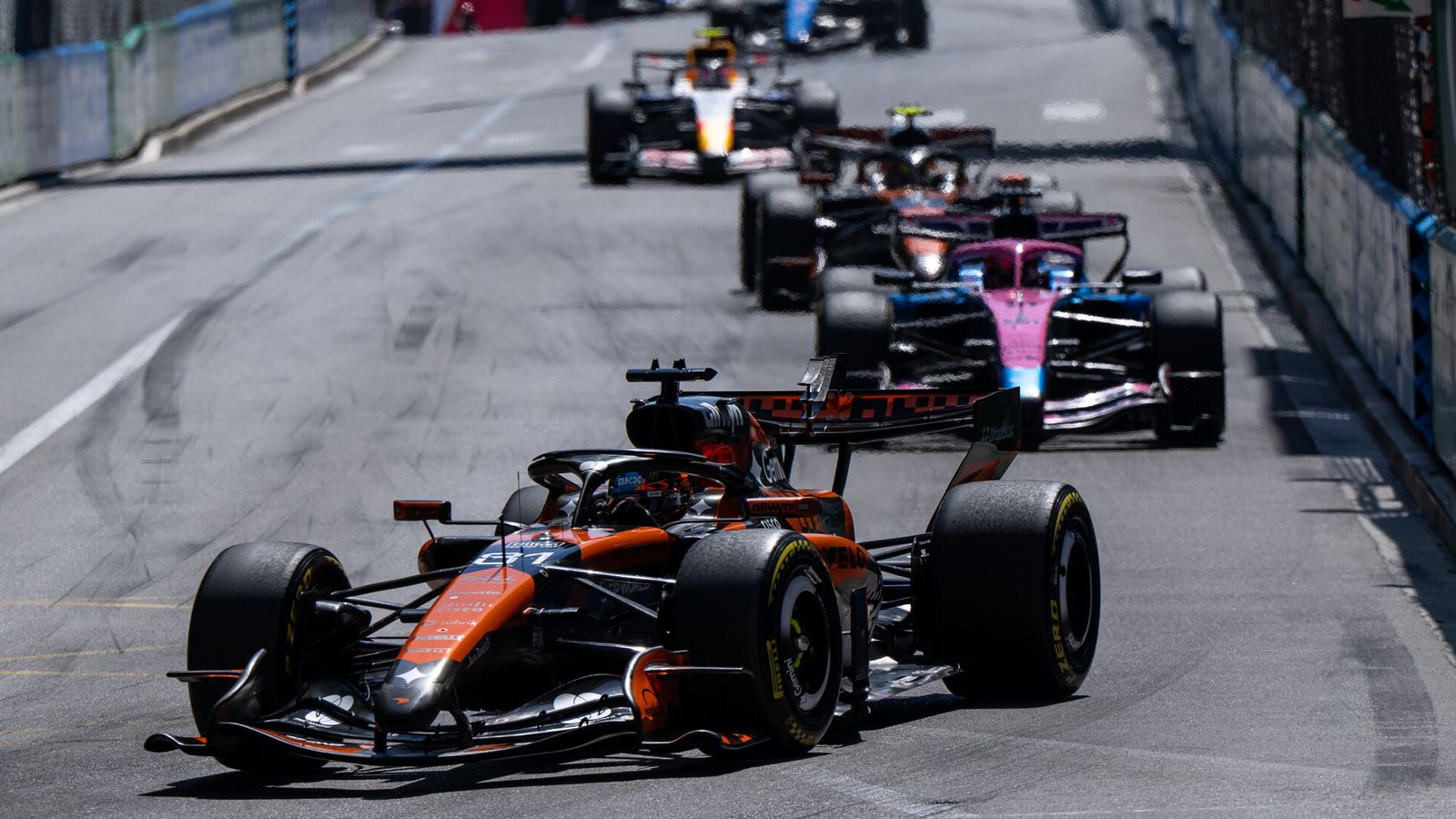
Sprint Expansion Brings Monaco Into the Format Debate
Formula 1 drivers have voiced conflicting reactions following the confirmation that the Monaco Grand Prix will adopt the Sprint format starting in the 2027 season. The decision comes as part of Formula 1's broader expansion of Sprint weekends, increasing the tally from six to 10 events across the championship calendar.
Under the revised Monte Carlo schedule, a dedicated Sprint Qualifying session on Friday will set the grid for a 100-kilometer race on Saturday, alongside traditional qualifying for Sunday's Grand Prix. While championship organizers promoted the double-qualifying layout as a stage for precision through Monaco's tight architectural corridors, the paddock remains split on whether the format suits the sport's most processional circuit.
Hamilton and Russell Clash on Weekend Viability
Lewis Hamilton questioned the strategic value of running a short race around streets where overtaking is nearly impossible under modern aerodynamic dimensions. While welcoming the extra session against the stopwatch, the Ferrari driver argued that Monaco required a bespoke concept rather than a standard Sprint implementation.
"It makes no sense to me but I'm not making the decisions obviously," Hamilton said ahead of the Azerbaijan Grand Prix. "We get another qualifying session, which is quite cool. But I've always said that Monaco needs something different. It needs to be something different... a Sprint race is not the answer for it."
Mercedes driver George Russell offered a contrasting appraisal, emphasizing the competitive urgency that an immediate qualifying session brings to track running compared to standard free practice sessions.
"Sprint Qualifying is way more exciting than FP2, so I think on the whole it makes sense," Russell explained. "As much fun as driving a Formula 1 car around the track is, the enjoyment comes from the competition and that adrenaline you get from a qualifying session."
Grid Reaction: Variable Tactics vs. Traditional Priority
Other competitors across the grid presented mixed viewpoints regarding the schedule change:
- Sergio Perez: The Cadillac driver welcomed the change, noting that Monaco had become overly predictable after Saturday's main qualifying and that an additional competitive session introduces needed variability.
- Max Verstappen: Maintained an indifferent stance toward Sprint locations, reiterating that his technical and mental focus remains anchored entirely to the Sunday Grand Prix.
- Lando Norris: Stated that spectator entertainment should dictate format decisions, though he noted that other circuits with higher overtaking capability might have been more logical Sprint hosts.
What Changes Next for Formula 1
The addition of Monaco to the 10-round Sprint roster in 2027 represents a major structural shift in how Formula 1 approaches heritage street venues. With teams having only a single 60-minute practice session to dial in ride heights, roll stiffness, and tire thermal management before competitive running begins, setup execution will carry significantly higher consequences across the Monte Carlo weekend.

Quinn Santos
Quinn Santos covers Formula 1 with a reverent, forensic attention to the physical and acoustic life of the race. In reports, engine notes are not background noise but specific orchestral intervals moving through the grid, and every race devotes space to the degraded texture of tire compounds after a stint, read like worn material rather than performance data. Chassis geometry and floor aerodynamics are explained through architectural metaphor: load paths become load-bearing walls, floors become tensioned skins. Quinn avoids standard telemetry charts, instead reconstructing key overtakes through rhythmic, beat-heavy sentence structures that carry braking points and exits like percussion. A reader gets the feeling of the circuit as a built and sounding environment, not a sequence of lap times. Each race recap closes with an unprompted weather report comparing trackside humidity to the driver's sweat output, a small forensic reminder of how much the body and the air are part of the result.