Reporting note: this article draws on Sky Sports; TaxiSports provides the summary and editorial framing.
Powertrain Glitch Exposes Regulatory Edge Cases
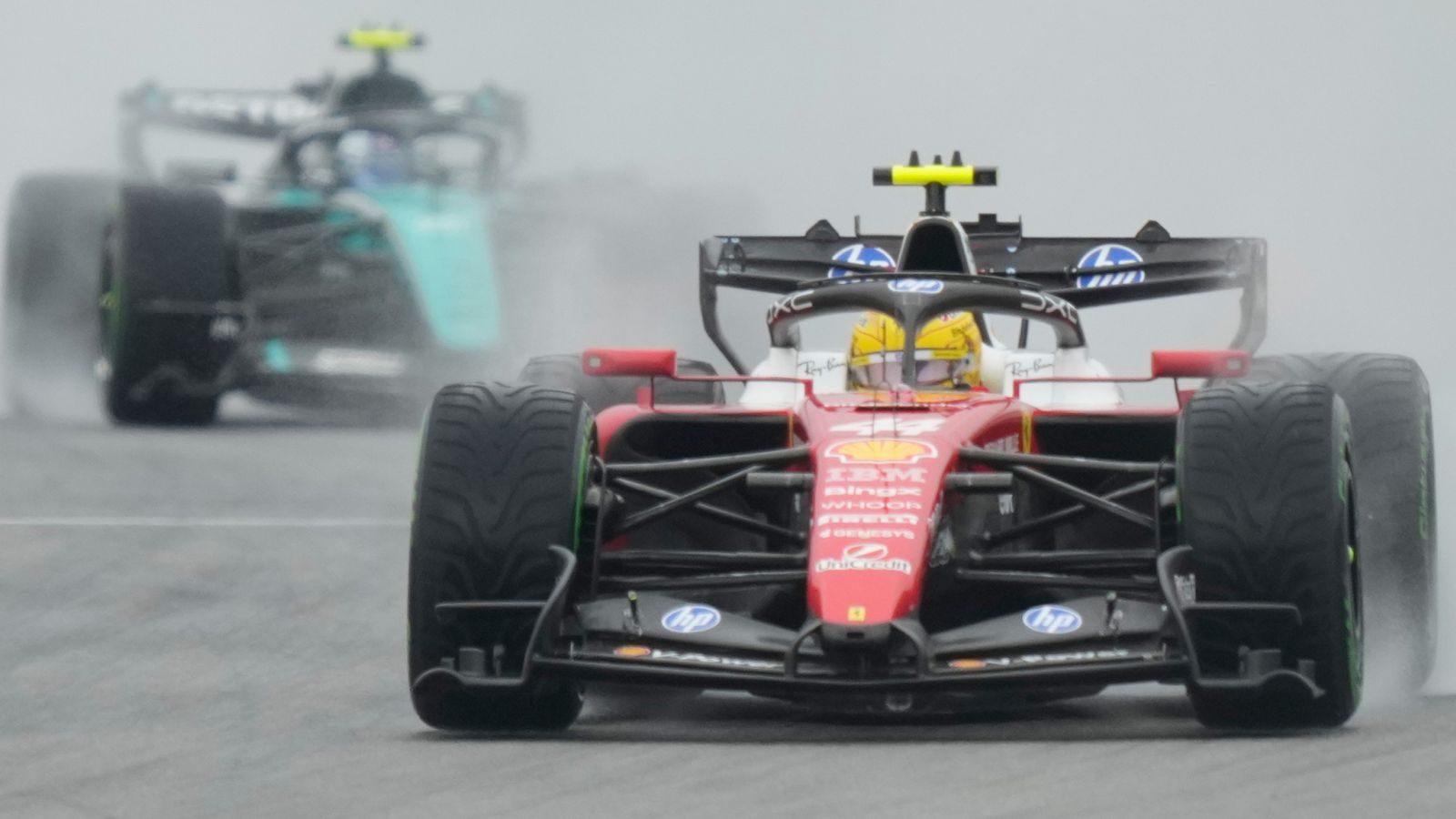
A systemic software failure on the formation lap at Sepang disrupted the Grand Prix after power-unit control architecture failed to process wet-weather energy management parameters. Multiple cars, including the Red Bull Racing machine of race leader Max Verstappen and Lewis Hamilton's Ferrari, suffered unintended power cuts at low rpm, triggering an aborted start and a 40-minute delay while the governing body deployed an emergency firmware patch.
The issue originated within the regulatory architecture governing the 2026 power units, which feature an approximate 50 percent split between internal combustion and electrical deployment. When drivers encountered standing water and minimal grip at low engine speeds, the electronic energy recovery and deployment loops encountered conditions outside their calibrated threshold, shutting down power delivery across several chassis down the field.
Simulation Gaps Under Scrutiny
Sky Sports F1 commentator David Croft challenged the FIA's pre-season validation protocols, arguing that edge-case scenarios under the revised powertrain regulations should have been identified prior to competitive sessions.
“We had a shakedown in Barcelona and six days of testing in Bahrain before the season started. Why on earth were situations like this not tried out before we went racing?” Croft said on the F1 Show. “This falls on the FIA. You are supposed to have the upper hand when it comes to these rules and regulations, the directives, the power units and everything.”
FIA single-seater director Nikolas Tombazis acknowledged that the software had not been subjected to adequate simulation under the precise wet-weather friction and low-speed energy-harvesting demands presented by the Sepang circuit. While the FIA pushed an emergency update within 20 minutes, the operational disruption on the grid spanned 40 minutes before safety and restart procedures could resume.
Championship Implications Moving to Singapore
Despite the procedural halt, the race delivered structural volatility once green-flag conditions were established. Max Verstappen managed to convert his track position into victory for Red Bull Racing, holding off Mercedes rookie Kimi Antonelli in second, while Lewis Hamilton recovered through the field to secure the final podium position for Ferrari.
The FIA has committed to a technical review alongside power-unit manufacturers to map and eliminate electronic bugs before the paddock arrives at the Marina Bay Street Circuit. With the Singapore Grand Prix hosting a Sprint format, teams face compressed practice schedules to validate energy mapping on a street circuit known for punishing powertrain tolerances and volatile asphalt grip levels.