Reporting note: this article draws on Sky Sports; TaxiSports provides the summary and editorial framing.
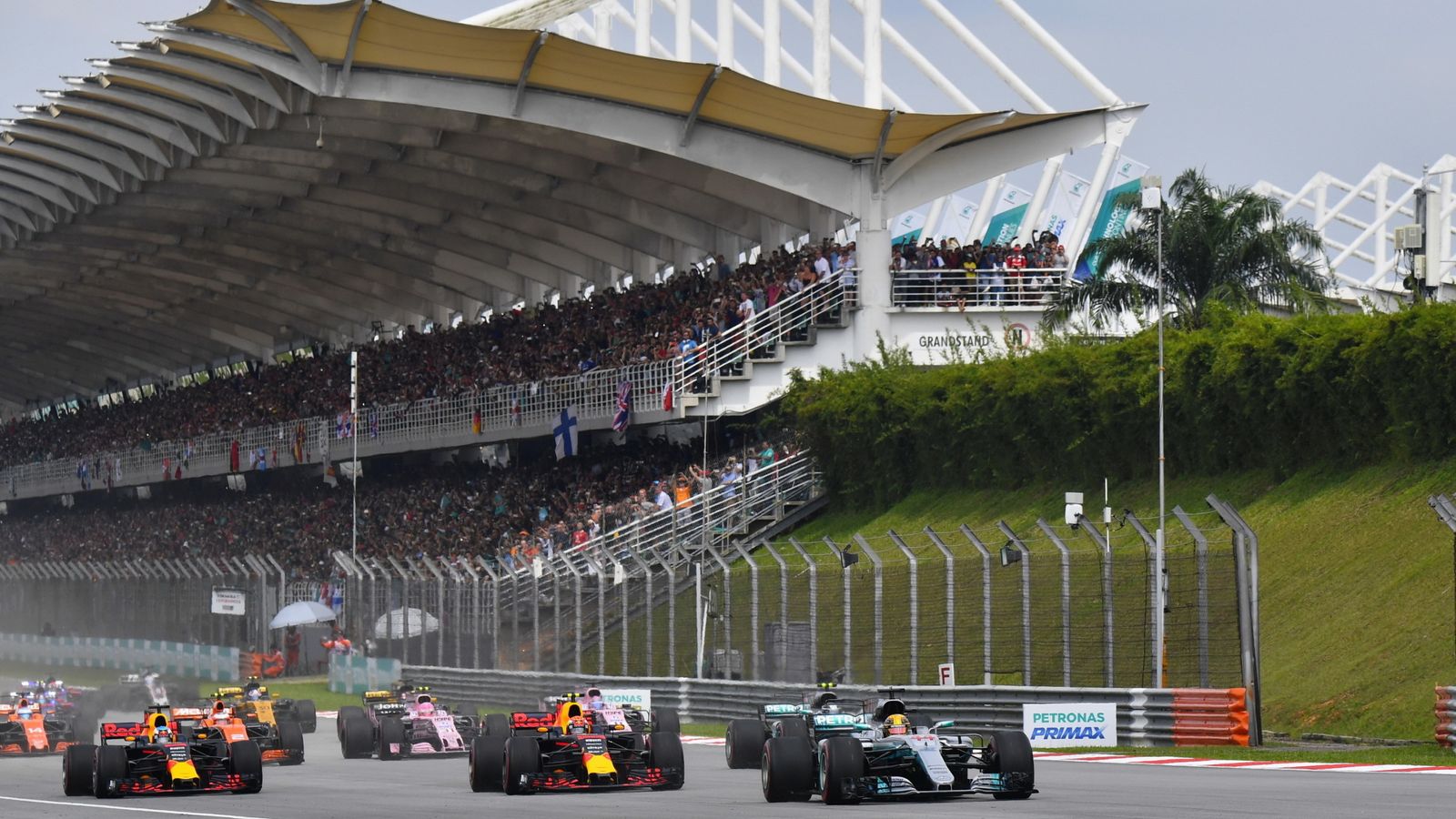
Sepang Steps In to Fill Revised 2026 Calendar
Formula 1 returns to Malaysia's Sepang International Circuit for the first time since 2017, staging the rescheduled Bahrain Grand Prix. The event was relocated from the Bahrain International Circuit in Sakhir following the cancellation of April's Middle Eastern rounds due to regional conflict. A July agreement brokered between the Bahrain and Malaysian governments, alongside Formula 1 and the FIA, positioned the 3.44-mile venue into the open calendar slot between the Azerbaijan Grand Prix and the upcoming round in Singapore.
The event operates under the official title of the Bahrain Grand Prix in Malaysia, with Bahrain covering the majority of operational expenses to maintain the race on the World Championship schedule.
Chassis Loads and Aerodynamic Demands at Sepang
Designed by Hermann Tilke and opened in 1999, Sepang's 15-turn layout acts as a severe test of aerodynamic stability and mechanical balance. The circuit combines high-energy lateral cornering sequences with two expansive straights linked by a hairpin, requiring teams to compromise between straight-line top speed and load-bearing downforce through medium- and high-speed complexes.
Energy management across the dual straights will play a central strategic role. Managing battery deployment will be critical, as long full-throttle sections drain hybrid reserves before drivers reach key braking zones, altering corner-entry balance and overtaking opportunities.
Tire Degradation and Thermal Management
Thermal loads at Sepang present significant technical hurdles for tire performance. The combination of abrasive asphalt and equatorial heat rapidly accelerates surface degradation, breaking down the chemical matrix of the tread compounds and generating heavy blistering across extended stints. Championship leader Kimi Antonelli noted that elevated tire wear could push teams away from conventional one-stop strategies toward aggressive two- or three-stop run plans during Sunday's 56-lap race.
Driver Perspectives and Championship Stakes
Only ten drivers on the 2026 grid hold prior Formula 1 race experience at the venue:
- Lewis Hamilton: The Ferrari driver holds a joint-record five pole positions and one victory (2014) across 11 starts at the track, highlighting the venue's severe physical demands and high-speed layout.
- Max Verstappen: The Red Bull driver was the most recent winner at Sepang in 2017 and emphasized the combined challenges of cockpit heat and rapid tire wear.
- Lando Norris: The reigning World Champion, experiencing the circuit for the first time in an actual car after extensive simulator preparation, predicted competitive racing and dynamic overtaking battles comparable to Monza.
- Kimi Antonelli: The Mercedes rookie enters the weekend aiming to defend a 66-point championship lead over teammate George Russell following Russell's victory in Baku.
Strategic Variables Ahead of Sunday
Track conditions in Sepang remain highly volatile. High ambient temperatures shift rapidly when tropical rain squalls hit the circuit, introducing strategic uncertainty around crossover windows from slick tires to intermediate and wet compounds. Track running begins Friday, leading into Sunday's 56-lap Grand Prix.

Quinn Santos
Quinn Santos covers Formula 1 with a reverent, forensic attention to the physical and acoustic life of the race. In reports, engine notes are not background noise but specific orchestral intervals moving through the grid, and every race devotes space to the degraded texture of tire compounds after a stint, read like worn material rather than performance data. Chassis geometry and floor aerodynamics are explained through architectural metaphor: load paths become load-bearing walls, floors become tensioned skins. Quinn avoids standard telemetry charts, instead reconstructing key overtakes through rhythmic, beat-heavy sentence structures that carry braking points and exits like percussion. A reader gets the feeling of the circuit as a built and sounding environment, not a sequence of lap times. Each race recap closes with an unprompted weather report comparing trackside humidity to the driver's sweat output, a small forensic reminder of how much the body and the air are part of the result.