Reporting note: this article draws on Sky Sports; TaxiSports provides the summary and editorial framing.
Ferrari Power Unit Upgrade Reshapes Monza Hierarchy
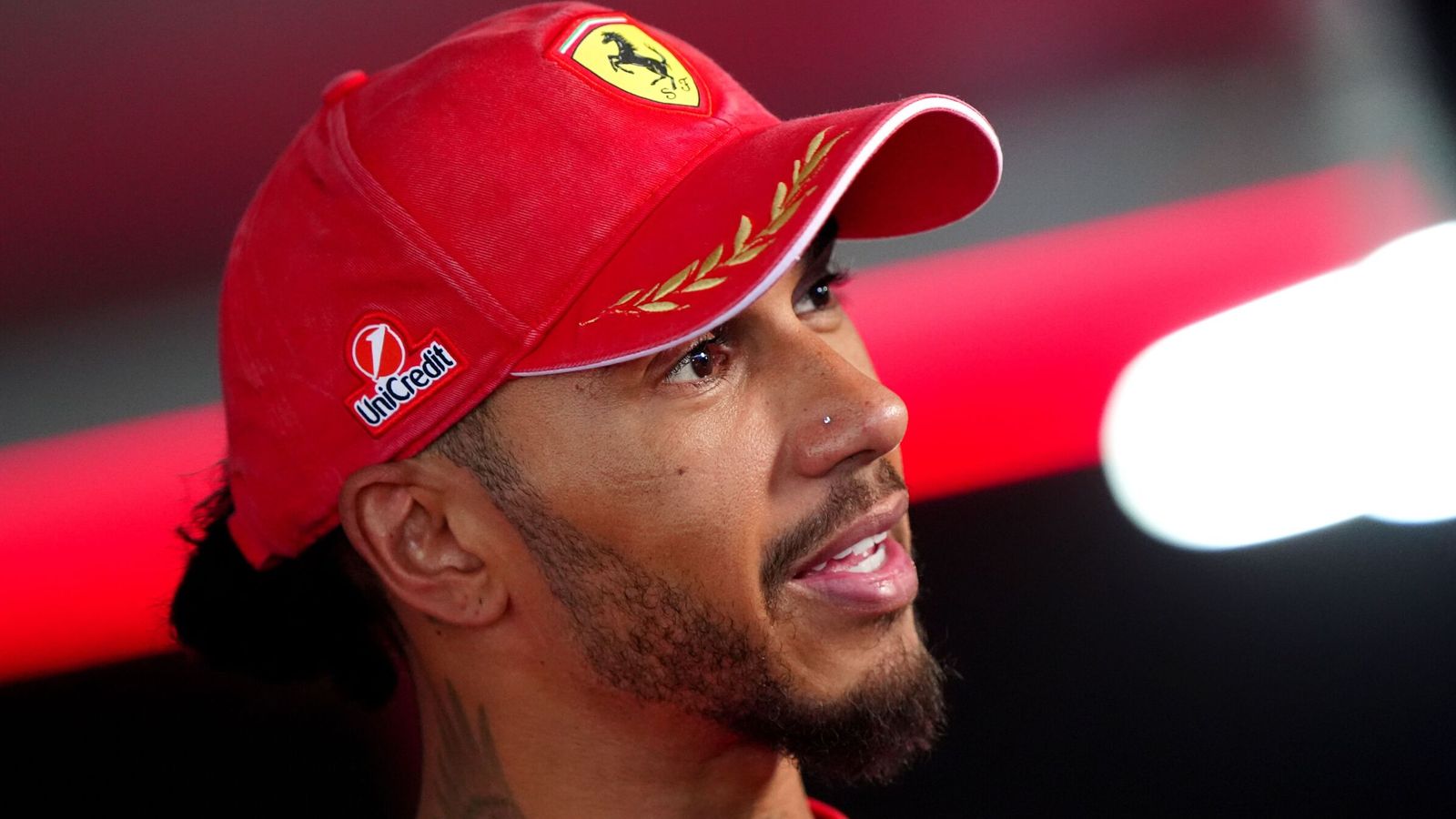
Lewis Hamilton has projected a tightly contested qualifying fight for the Italian Grand Prix, labeling a front-row start at Monza the "ultimate dream" after Ferrari's newly introduced engine upgrade showed immediate straight-line efficiency in Friday practice. The Scuderia opened the weekend with an assertive 1-2 in the opening session, led by Charles Leclerc, before Mercedes' George Russell disrupted the order by topping the timesheets in the afternoon.
Ferrari enters Saturday's qualifying with a distinct tactical footprint. While Hamilton concluded the second session in fifth—trailing Russell, Leclerc, Kimi Antonelli, and McLaren's Lando Norris—the front-running fight is shaped heavily by grid penalties already assessed to the championship leader.
Championship Standings Context and Grid Penalties
Mercedes elected to deploy Antonelli's inevitable engine allowance penalty at Monza, banking on the circuit's slipstreaming corridors to mitigate a back-of-the-grid start on Sunday. That structural absence clears a path at the front for Ferrari and Russell to contest pole position without the current points leader factoring into the sharp end of the grid.
In the Drivers' Championship standings, the dynamic remains asymmetric:
- Kimi Antonelli (Mercedes): Leads the standings by 59 points over both Russell and Hamilton.
- George Russell (Mercedes) / Lewis Hamilton (Ferrari): Tied in second place, trailing by 59 points.
- Lando Norris (McLaren): Fourth in the championship, 83 points adrift of the lead.
The pit-lane exit line offers virtually zero margin for error under the braking load of arriving traffic.
McLaren Struggling for Straight-Line Efficiency
McLaren arrived in Italy on the back of consecutive victories in Hungary and the Netherlands, but the aerodynamic profile required for Monza has exposed mechanical trade-offs. Norris conceded that the team is not currently in contention for pole position, noting an unexpected inversion of performance across specific corner profiles and an outright deficit to Ferrari and Mercedes.
With track asphalt presenting low grip levels and high thermal demands on tire structures, tire management across high-speed traction zones will dictate the final qualifying margins. Final practice commences Saturday at 11:30 local time ahead of qualifying at 15:00.