Reporting note: this article draws on Sky Sports; TaxiSports provides the summary and editorial framing.
Leclerc Seals Historic Ferrari Victory Amid Late Safety Car Frustration
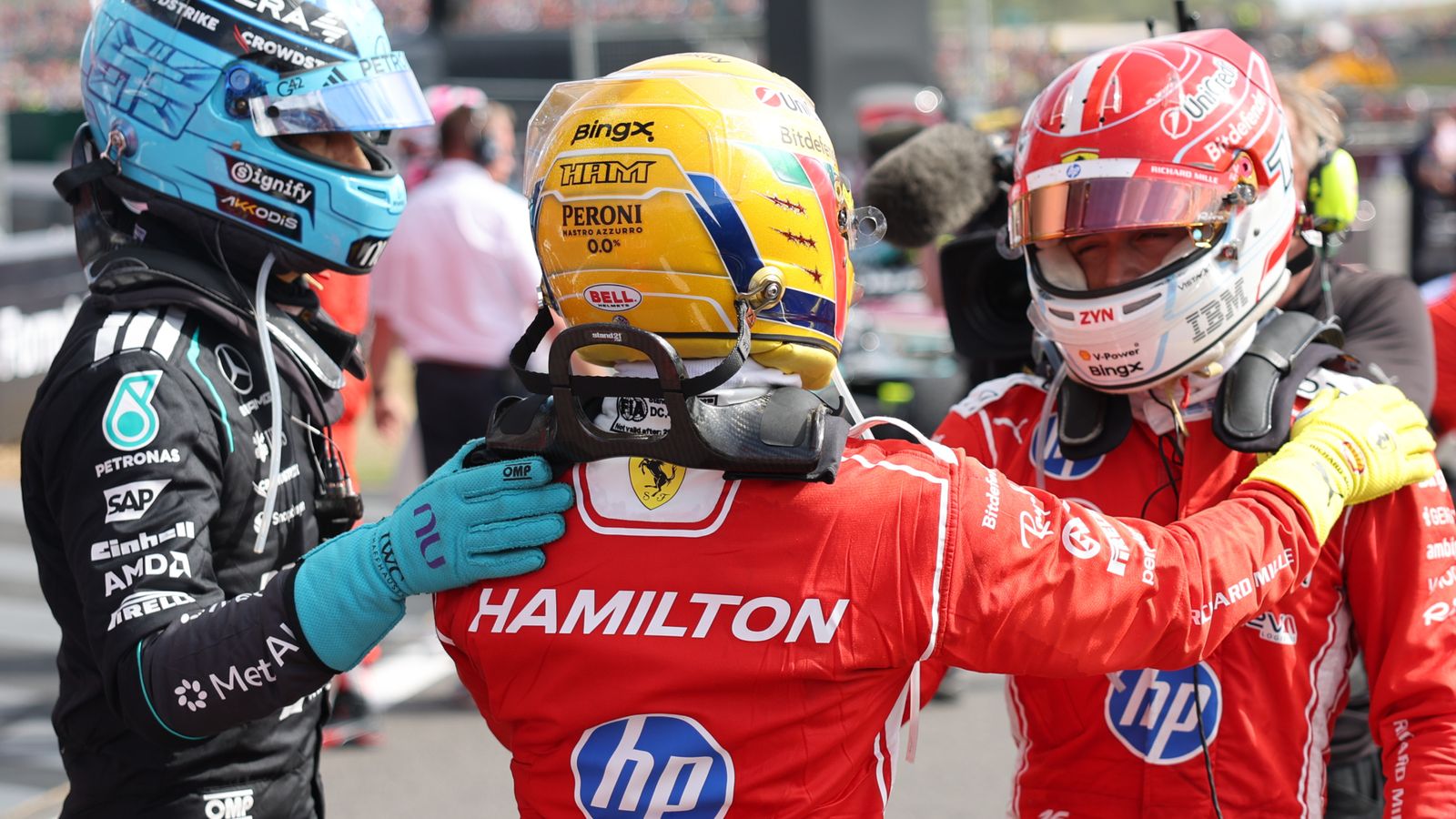
Charles Leclerc ended his Formula 1 victory drought at Silverstone, capturing his first Grand Prix win since Austin 2024 and delivering Ferrari their milestone 250th victory at the very circuit where their tally began in 1951. Leclerc converted a front-row start into a commanding race drive, keeping his Ferrari balanced across high-speed sweeps to hold off late threats and lead a Ferrari one-three finish with Lewis Hamilton in third.
The headline result, however, arrived under a cloud of spectator frustration. Following a lap-48 off for Max Verstappen, the Grand Prix concluded at a crawl behind the Safety Car, igniting renewed debate over Formula 1's regulations governing lapped runners during late-race neutralizations.
Sprint Clashes and Sunday Mechanical Heartbreak for Antonelli
The weekend had begun at full tilt in Saturday's 17-lap Sprint. Mercedes rookie Kimi Antonelli displayed searing pace, hunting down Hamilton's Ferrari through the Loop, pressing hard through Brooklands, and deploying maximum electrical deployment down the Hangar Straight with a 25mph closing delta to seal his first career Sprint win. Lando Norris claimed third for McLaren, ahead of George Russell and a subdued Leclerc.
Leclerc re-engineered his approach overnight, altering both chassis set-up and throttle application to qualify on the front row alongside polesitter Antonelli for Sunday's main event. When the lights went out, both Ferraris surged forward, Leclerc heading Hamilton while Antonelli settled into third to manage his tires.
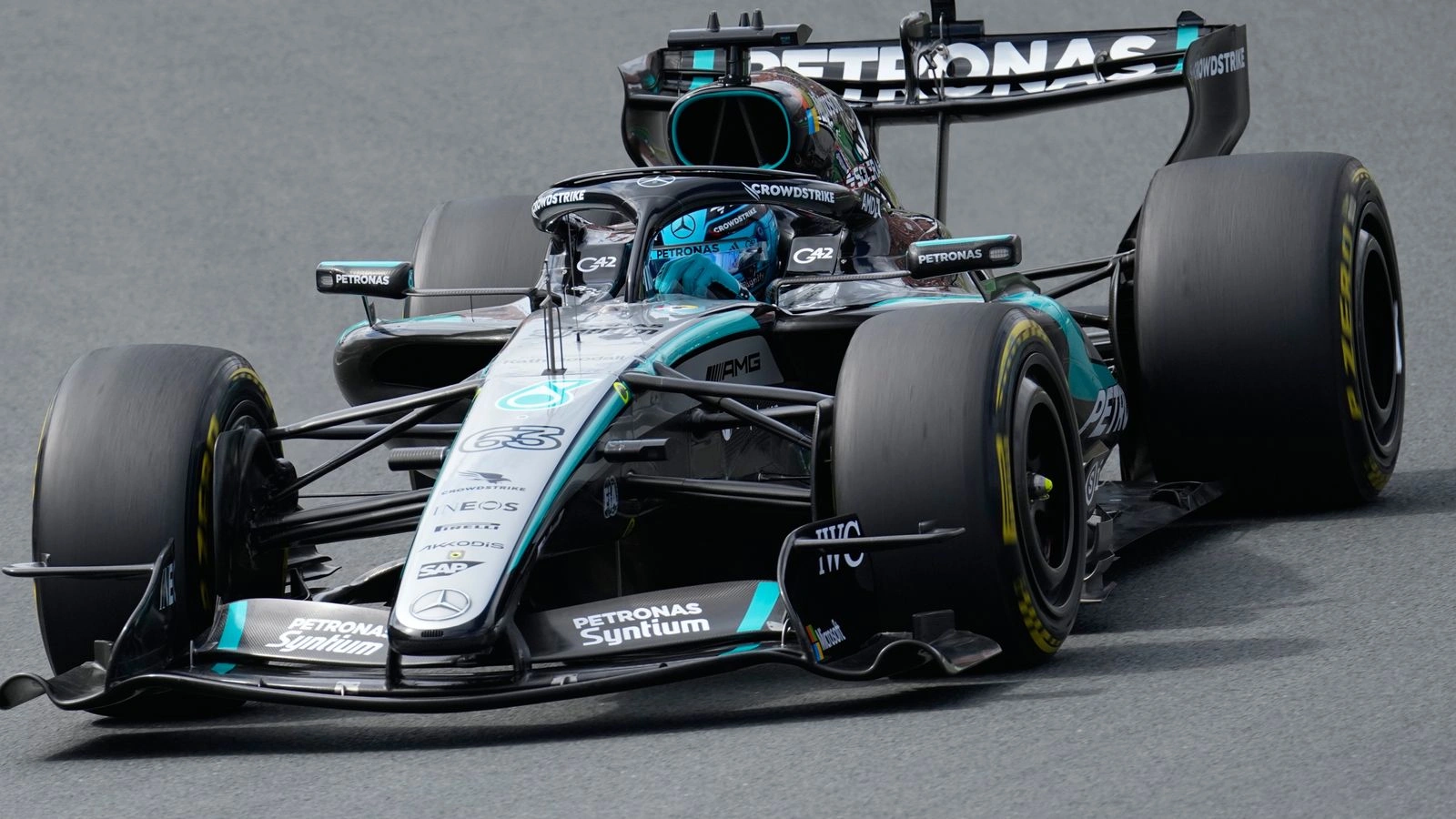
Mercedes stretched Antonelli's opening stint ten laps longer than Leclerc's, leaving the championship leader on pristine rubber with an overwhelming pace advantage. As Antonelli began slashing the gap, the load-bearing aerodynamic bodywork framing his left-front wheel fractured across the serrated exit kerb at Copse on lap 41. The structural failure jammed his steering, necessitating consecutive pit visits and five-second track limits penalties while wrestling the damaged car, dropping him from certain contention.
Verstappen Spin and the Safety Car Stalling Point
Tire degradation told a severe story through the middle stints. Pirelli's hard compound emerged heavily scarred, their outer shoulders feathered with graining and heat cycling from Silverstone's sustained lateral loads. Russell, who had survived an unscheduled stop on lap 34 for a slow puncture, found himself elevated into the podium places alongside Hamilton.
On lap 48, Verstappen's Red Bull suffered a rear-wing flap malfunction that failed to close and re-establish rear downforce, sending him spinning into the gravel at Stowe and triggering a full Safety Car. Ferrari immediately boxed Leclerc and Hamilton for soft tires, setting up what should have been an explosive restart sprint.
Instead, the restart never arrived. Protocol dictates that eligible lapped cars must unlap themselves before the Safety Car withdraws on the subsequent lap. With the wave-by only signaled on lap 51, the field ran out of racing distance. The delay provoked calls for regulatory reform, such as directing lapped cars through the pit lane or deploying red flags to preserve racing finishes.
Post-Race Verdicts and the Title Fight Heading to Spa
Williams driver Carlos Sainz was demoted by a lap post-race after being trapped by the complex lapped-car timing rules at pit entry. Meanwhile, Hamilton retained his third-place podium finish—his 16th at his home venue—after stewards issued a reprimand rather than a time penalty for a brief yellow-flag discrepancy, noting his cockpit workload while defending against an overtake attempt.
Further down the order, Racing Bulls rookie Arvid Lindblad impressed with a seventh-place finish on his home Grand Prix debut, while Liam Lawson scored across both weekend races. Alpine banked double points with Pierre Gasly and Franco Colapinto in ninth and tenth.
Russell's fortunate elevation to second cuts Antonelli's championship advantage to 25 points as the paddock prepares for Spa-Francorchamps. At the chequered flag, ambient trackside humidity sat at an arid 38 percent against driver cockpit fluid losses exceeding two and a half liters across 52 demanding laps.

Quinn Santos
Quinn Santos covers Formula 1 with a reverent, forensic attention to the physical and acoustic life of the race. In reports, engine notes are not background noise but specific orchestral intervals moving through the grid, and every race devotes space to the degraded texture of tire compounds after a stint, read like worn material rather than performance data. Chassis geometry and floor aerodynamics are explained through architectural metaphor: load paths become load-bearing walls, floors become tensioned skins. Quinn avoids standard telemetry charts, instead reconstructing key overtakes through rhythmic, beat-heavy sentence structures that carry braking points and exits like percussion. A reader gets the feeling of the circuit as a built and sounding environment, not a sequence of lap times. Each race recap closes with an unprompted weather report comparing trackside humidity to the driver's sweat output, a small forensic reminder of how much the body and the air are part of the result.